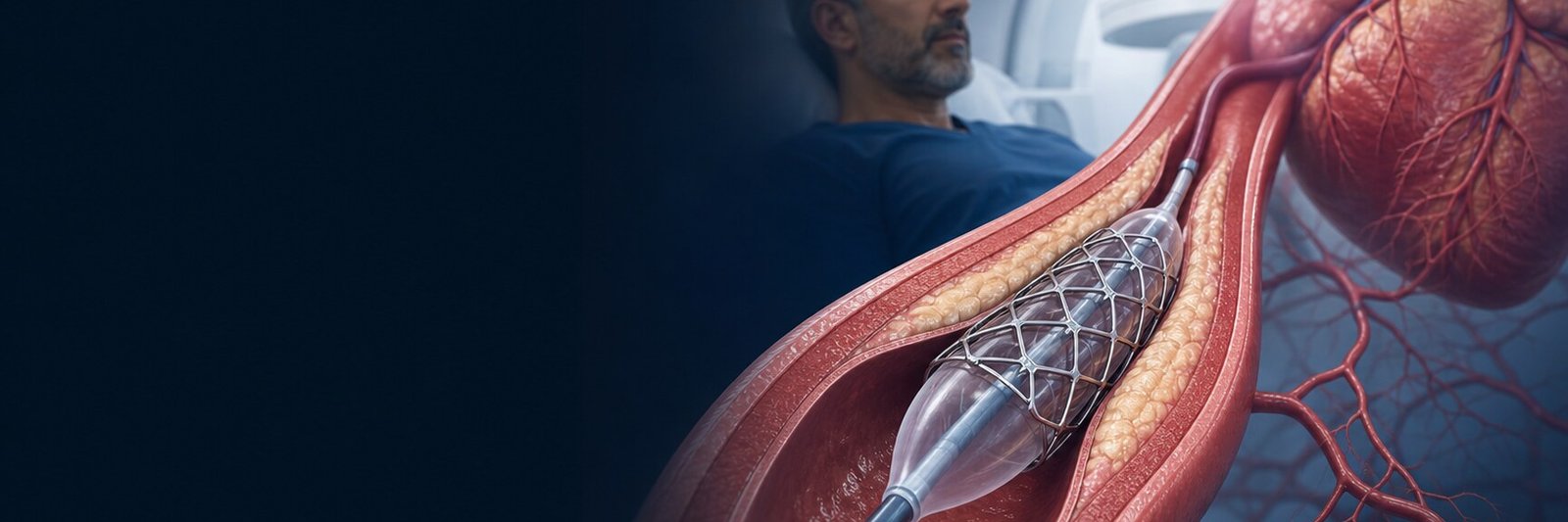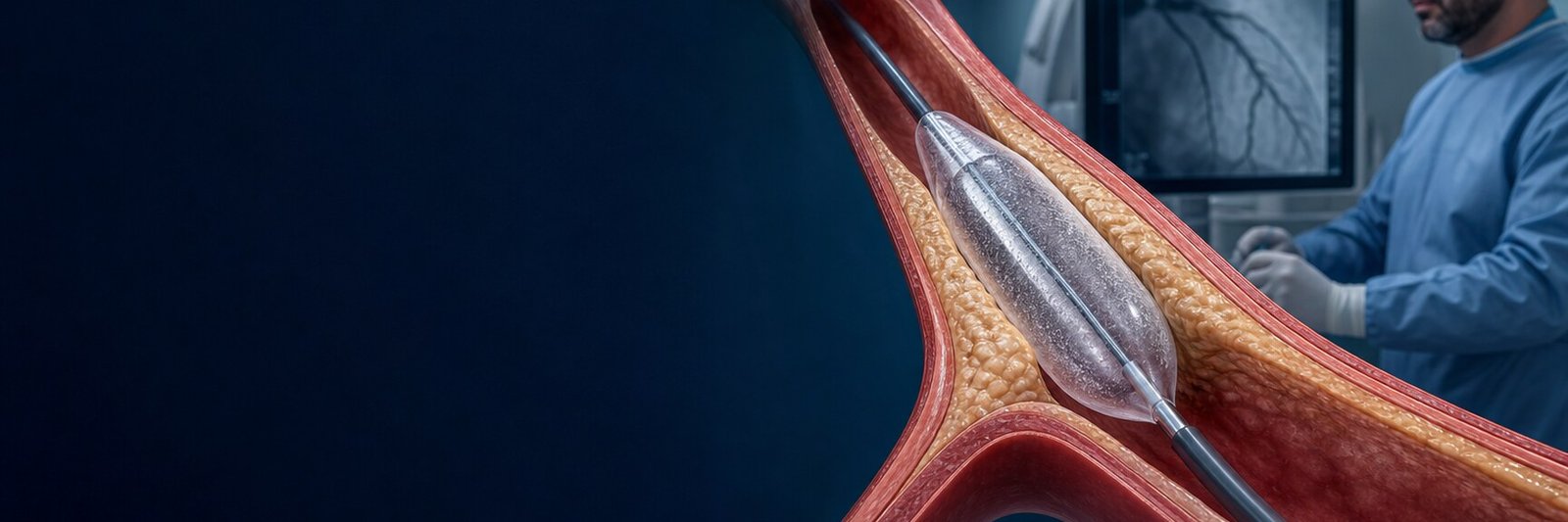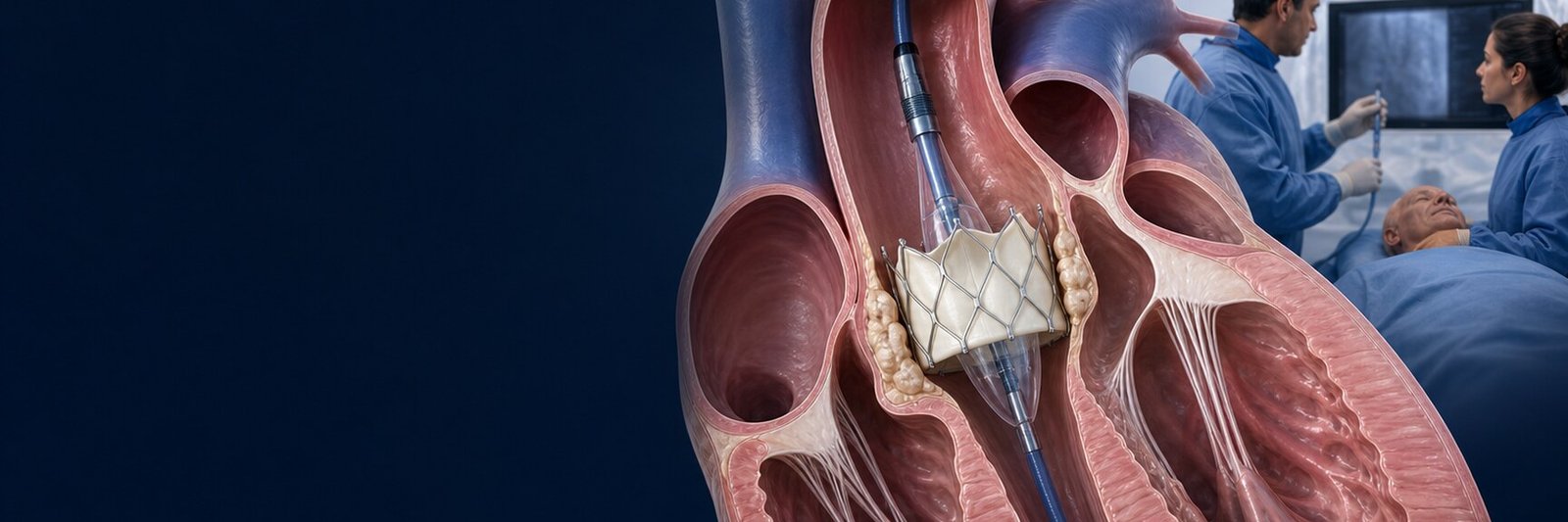
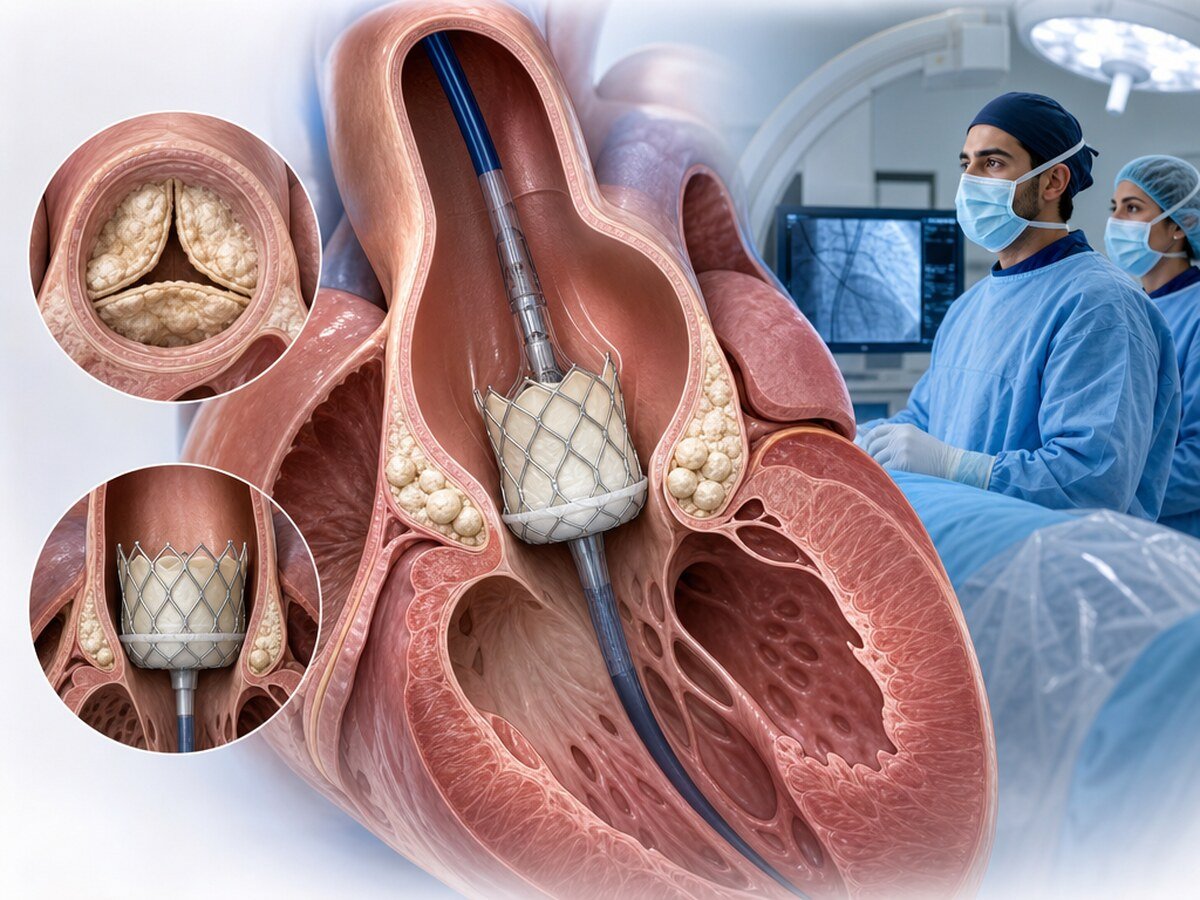
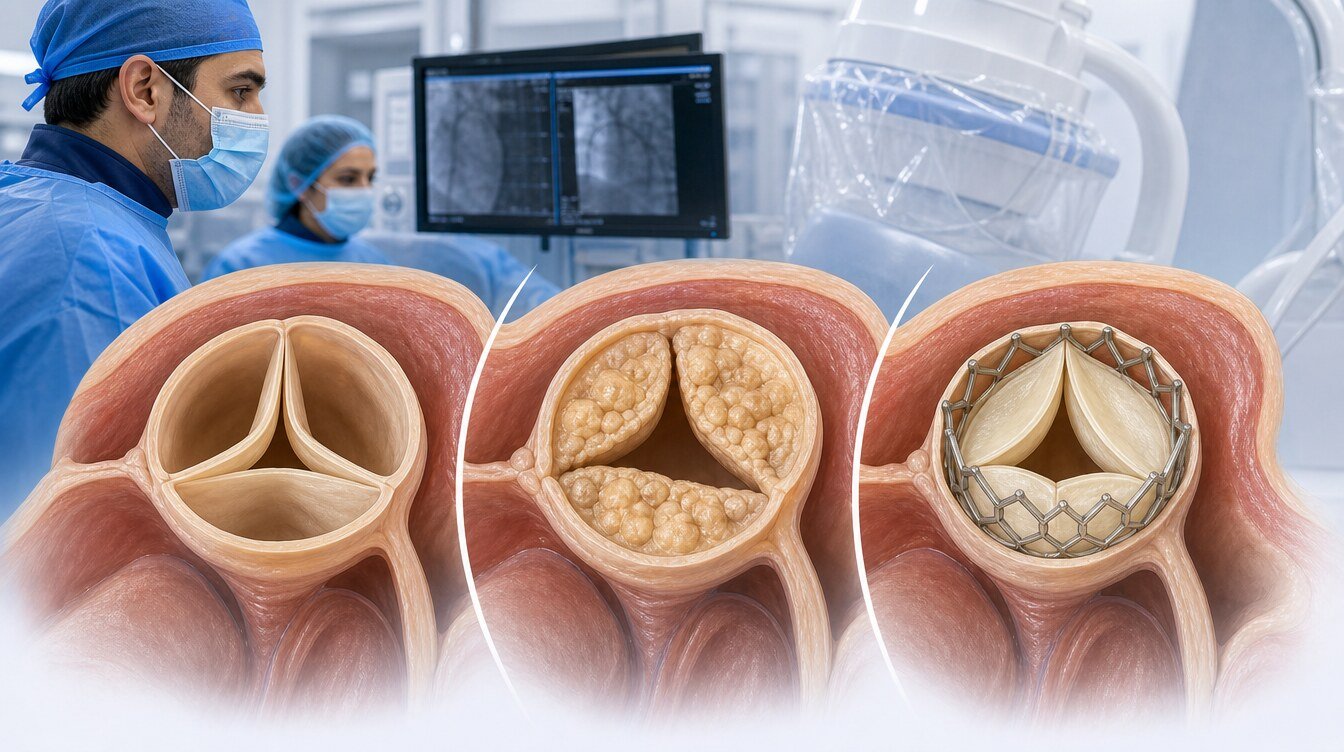
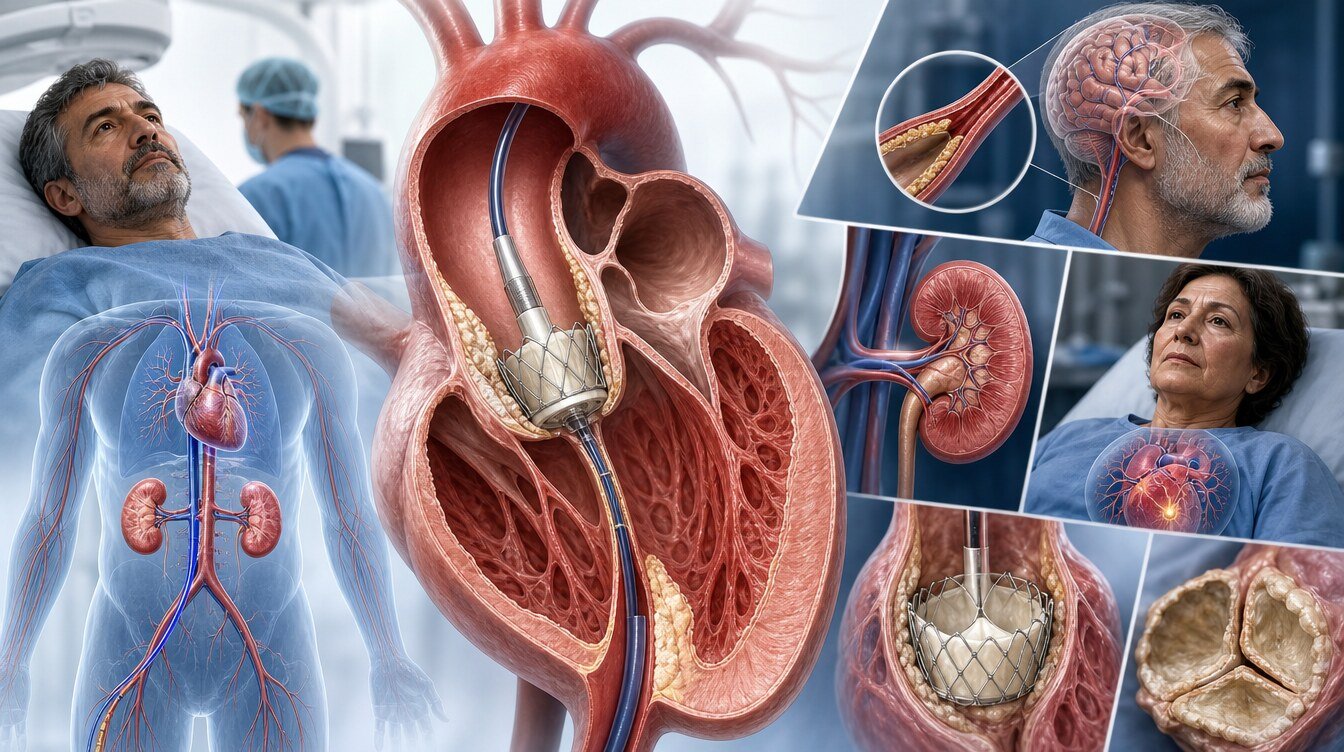
TAVI is a catheter-based procedure in which a biological valve is placed inside a severely narrowed aortic valve. The name means transcatheter aortic valve implantation. TAVR is another abbreviation for the same procedure. In most native calcific aortic-stenosis procedures, the new valve expands within the diseased valve; the native valve should not be understood as having been surgically removed.[1,2]
When is TAVI considered?
The aortic valve allows blood to leave the left ventricle. When its leaflets become calcified and stiff, the opening narrows; this is aortic stenosis. The established setting for TAVI assessment is severe aortic stenosis that requires intervention. An echocardiographic number alone is not enough: symptoms, haemodynamic severity, the heart’s response and the expected overall benefit all matter.[1,2]
Possible symptoms
- Breathlessness on exertion
- Chest pain or pressure
- Fainting or near-fainting
- A clear reduction in exercise capacity
- Fatigue
- Swelling or breathlessness related to heart failure
These symptoms are not specific to aortic stenosis. Diagnosis requires clinical and imaging findings to be considered together.
How is a patient assessed before TAVI?
Echocardiography
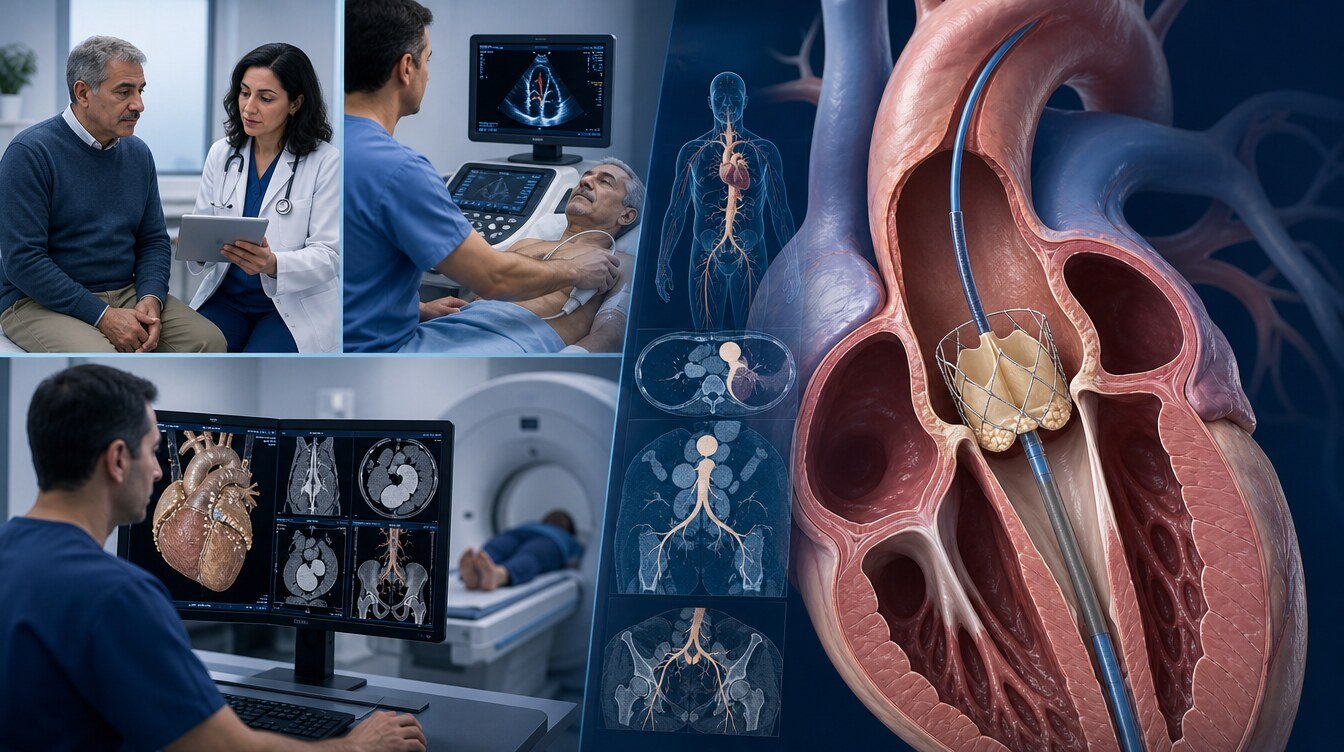
Echocardiography is the core test for valve anatomy, stenosis severity, blood-flow measurements and ventricular function. If findings and symptoms do not agree, further testing may be required.[1,2]
Computed tomography
TAVI-planning CT helps measure the annulus, assess the aortic root and coronary origins, and examine femoral and other access vessels. The protocol is tailored to renal function and clinical status.[1]
Coronary and overall-risk assessment
Coronary disease, kidney function, lung disease, anaemia, rhythm problems, frailty and independence affect the decision. Coronary angiography or further imaging may be needed. The question is not only whether the procedure is technically possible, but whether it is likely to provide meaningful benefit.[1,2]
TAVI or surgical aortic-valve replacement?
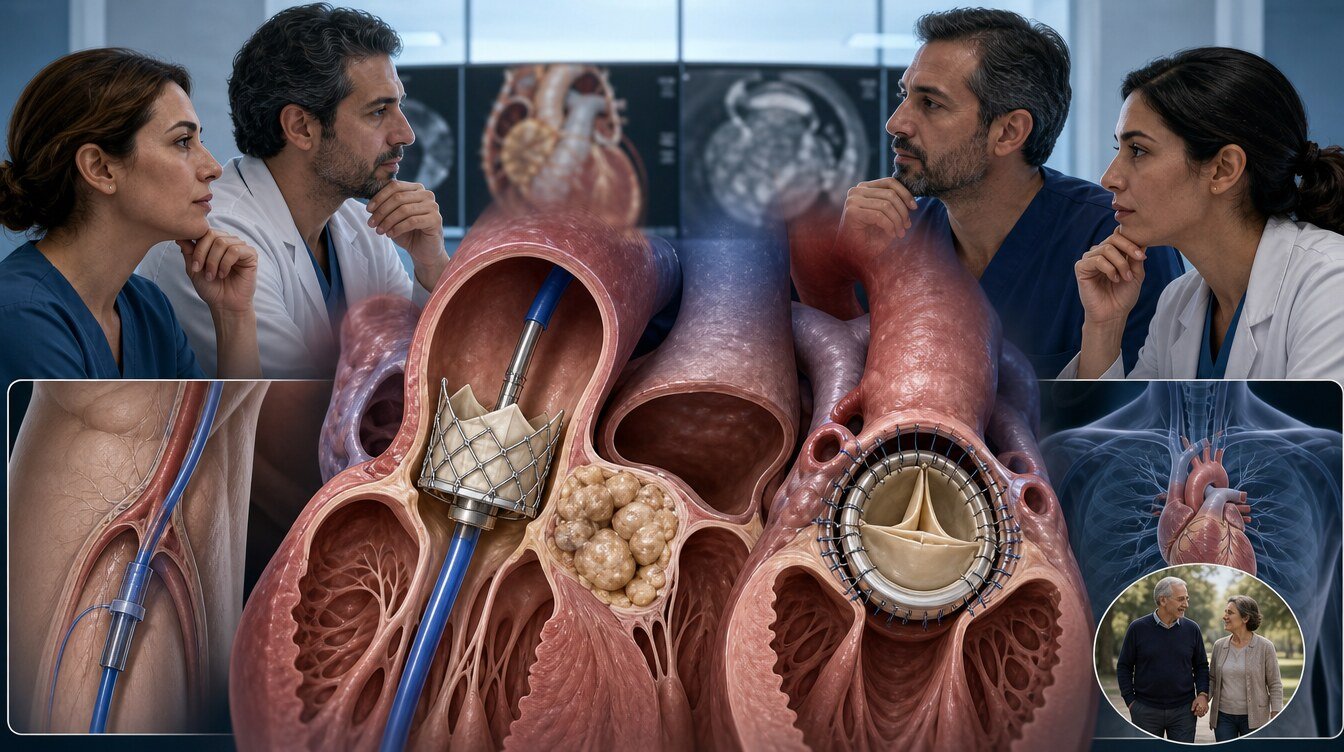
TAVI and surgical aortic-valve replacement (SAVR) are different ways to replace the aortic valve. The choice is not made by age or perceived convenience alone. Guidelines consider clinical characteristics, life expectancy, other diseases, valve and vascular anatomy, coronary disease, the need for other cardiac surgery, future interventions and patient preferences.[1,2]
| Decision domain | TAVI question | Surgical question |
|---|---|---|
| Vascular access | Can a delivery system reach the valve safely? | What is the overall surgical and recovery risk? |
| Valve and aorta | Are annular size, calcium distribution and coronary origins suitable? | Does the aortic root or ascending aorta need treatment? |
| Coronary disease | How will coronary treatment and future access be planned? | Is simultaneous bypass surgery needed? |
| Other valves | Is another valve procedure required? | Is combined valve surgery required? |
| Lifetime plan | How will durability, coronary access and a later valve procedure be managed? | Which prosthesis and future reintervention strategy fit the patient? |
| Patient preference | Are the benefits and risks of the catheter approach understood? | Are the benefits and risks of surgery understood? |
Randomised trials have compared TAVI and surgery in selected low-risk patients. They provide important long-term evidence, but enrolment criteria, access route and valve generation limit generalisation. Seven-year PARTNER 3 and five-year Evolut Low Risk evidence does not establish that TAVI is universally superior to surgery; lifetime planning remains essential.[3–5]
How is TAVI performed?
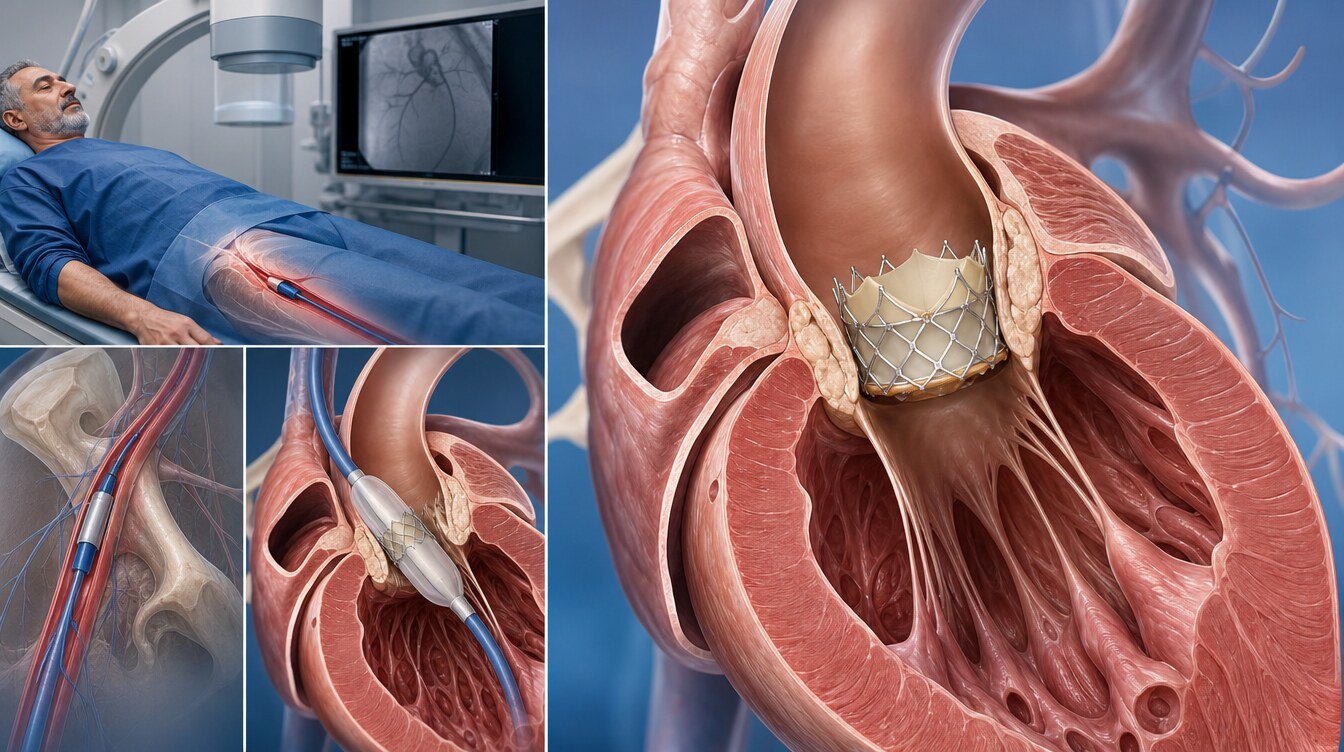
Details vary with anatomy, device and local protocol. The general sequence is:
- The patient and medication plan are reviewed before the procedure.
- The femoral artery is the common access route; alternatives may be considered if it is unsuitable.
- The delivery system is advanced to the aortic valve under imaging guidance.
- The bioprosthetic valve is deployed in the correct position within the diseased native valve.
- Valve function, paravalvular leak and cardiac conduction are assessed.
- The catheter is removed and the access vessel is closed.
General anaesthesia is not mandatory in every case. Sedation or anaesthesia and length of stay depend on clinical status and local practice.
What is the expected benefit?
In appropriately selected patients with aortic stenosis that requires intervention, the purpose is to relieve the outflow obstruction, reduce symptoms and lower the load on the heart. Benefit depends on whether aortic stenosis is the main cause of the patient’s limitations and on the burden of other disease.[1,2]
A catheter-based approach may support earlier mobilisation and recovery in selected patients. It does not guarantee same-day discharge or complete resolution of every symptom.
What are the risks of TAVI?
TAVI is not risk-free. Individual risk varies with vascular anatomy, calcium distribution, kidney function, cardiac conduction, valve platform and other diseases.[1,2,12]
- Stroke or transient neurological injury
- Bleeding or vascular-access injury
- Acute kidney injury
- Conduction disturbance and possible permanent pacemaker
- Paravalvular regurgitation
- Coronary obstruction
- Tamponade or injury to the aorta or heart
- Valve migration or the need for another procedure
- Infection, valve thrombosis or later bioprosthetic dysfunction
Trial percentages are not personal-risk estimates. The Heart Team uses clinical and CT information to assess which risks are most relevant to one patient.
Preparing for TAVI
The current medicine list, allergies, bleeding history, kidney disease and all antithrombotic medicines should be shared with the team. Possible dental or other infection should be reported. Medicines must not be stopped or started from online information. Individual instructions for anticoagulants, antiplatelets, diabetes and blood-pressure medicines, fasting and arrival time should be followed.
Recovery and follow-up
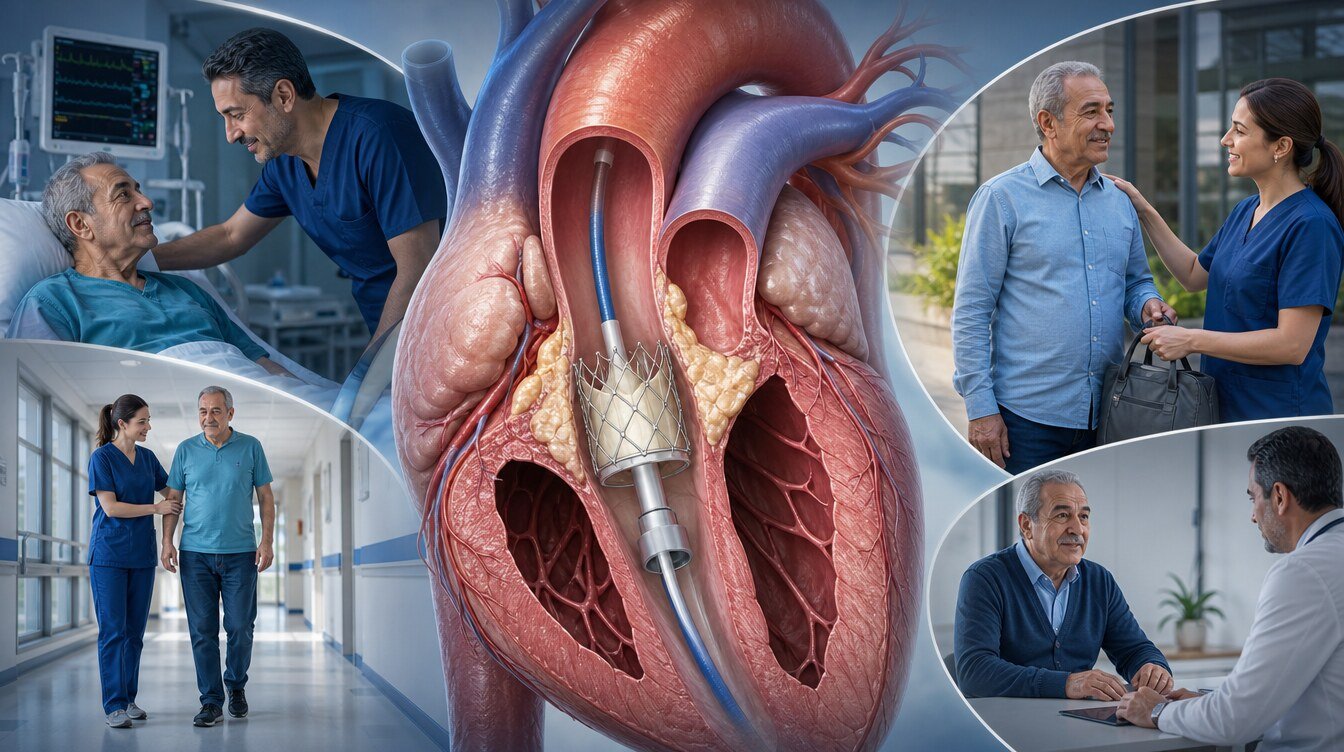
After TAVI, cardiac rhythm, blood pressure, the access site, kidney function and valve performance are monitored. Mobilisation and discharge timing depend on access route and clinical condition. Same-day or next-day discharge may be possible for selected patients but is not guaranteed.
The discharge plan should address access-site care, gradual activity, driving and lifting, medicines, follow-up echocardiography and infection prevention. A new valve does not end the need for cardiology follow-up.
Are medicines the same for everyone after TAVI?
No. Antiplatelet or anticoagulant treatment varies with atrial fibrillation, recent coronary stenting, bleeding risk and other indications. The two POPular TAVI cohorts studied different populations and cannot be collapsed into one universal regimen.[10,11] Prescribed medicines should not be stopped without advice from the treating team.
Why do some patient groups need separate assessment?
Asymptomatic severe aortic stenosis
EARLY TAVR studied selected asymptomatic patients with severe aortic stenosis and preserved ventricular function. It does not mean that every asymptomatic patient should automatically undergo early TAVI.[8]
Moderate aortic stenosis with heart failure
TAVR UNLOAD studied a specific group with heart failure, reduced ejection fraction and moderate aortic stenosis. It is not general evidence for TAVI in every patient with moderate stenosis.[9]
Younger patients or longer life expectancy
Long-term randomised evidence is growing, including NOTION and PARTNER 3 follow-up.[4,7] For a younger patient, durability, later valve procedures, future coronary access and the sequence of lifetime treatment must still be planned.[1,2]
When is urgent help needed?
Urgent assessment is required for new facial/arm/leg weakness, speech disturbance, severe chest pain, fainting, marked breathlessness, uncontrolled access-site bleeding, confusion or sudden severe deterioration. In Türkiye, call 112.[13]
Frequently asked questions
Yes. TAVI uses “implantation” and TAVR uses “replacement”; in clinical practice they usually refer to the same transcatheter aortic-valve procedure.
TAVI is a catheter-based valve procedure and is not the same technique as surgical aortic-valve replacement. It is nevertheless a major interventional procedure with important risks.
Not always. Sedation or general anaesthesia is selected according to clinical status, access route and the centre’s protocol.
Timing depends on the access route, general condition and whether complications occur. The individual discharge plan should be followed.
Assessment and decision
TAVI should not be selected from one valve measurement or calendar age. Symptoms, severity, ventricular response, valve and vascular anatomy, other diseases, surgical needs and lifetime planning are considered together by the Heart Team.[1,2]
Literature
References
Praz F, Borger MA, Lanz J, et al. 2025 ESC/EACTS Guidelines for the management of valvular heart disease. European Heart Journal. 2025. doi:DOI: 10.1093/eurheartj/ehaf194.
Otto CM, Nishimura RA, Bonow RO, et al. 2020 ACC/AHA Guideline for the Management of Patients With Valvular Heart Disease. Circulation. 2021. doi:DOI: 10.1161/CIR.0000000000000923.
Mack MJ, et al. PARTNER 3 primary report. N Engl J Med. 2019. doi:DOI: 10.1056/NEJMoa1814052. PMID 30883058.
Leon MB, et al. PARTNER 3 at 7 years. N Engl J Med. 2026. doi:DOI: 10.1056/NEJMoa2509766.
Popma JJ, et al. Evolut Low Risk. N Engl J Med. 2019. doi:DOI: 10.1056/NEJMoa1816885. Ramlawi B, et al. Five-year isolated analysis. 2026. doi:DOI: 10.1016/j.athoracsur.2026.03.070.
Blankenberg S, et al. DEDICATE-DZHK6. N Engl J Med. 2024. doi:DOI: 10.1056/NEJMoa2400685.
Thyregod HGH, et al. NOTION 10-year outcomes. Eur Heart J. 2024. doi:DOI: 10.1093/eurheartj/ehae043.
Généreux P, et al. EARLY TAVR. N Engl J Med. 2025. doi:DOI: 10.1056/NEJMoa2405880.
Van Mieghem NM, et al. TAVR UNLOAD. J Am Coll Cardiol. 2025. doi:DOI: 10.1016/j.jacc.2024.10.070.
Brouwer J, et al. POPular TAVI cohort A. N Engl J Med. 2020. doi:DOI: 10.1056/NEJMoa2017815.
Nijenhuis VJ, et al. POPular TAVI cohort B. N Engl J Med. 2020. doi:DOI: 10.1056/NEJMoa1915152.
Généreux P, et al. VARC-3. J Am Coll Cardiol. 2021. doi:DOI: 10.1016/j.jacc.2021.02.038.
Republic of Türkiye, 112 Emergency Call Centre. Official site.
Liv Hospital. Prof. Dr. Hakan Uçar institutional profile. Identity and scope verification only.
This content is for general information only and does not replace personalized medical advice. In emergencies call local emergency services.
Continue