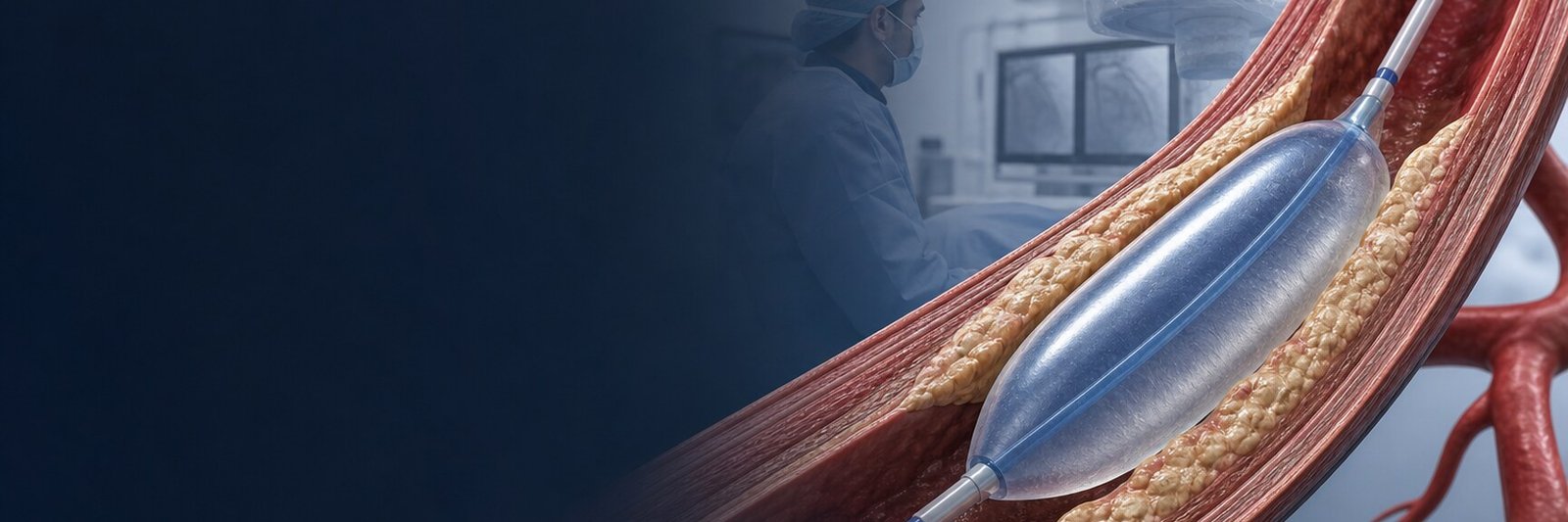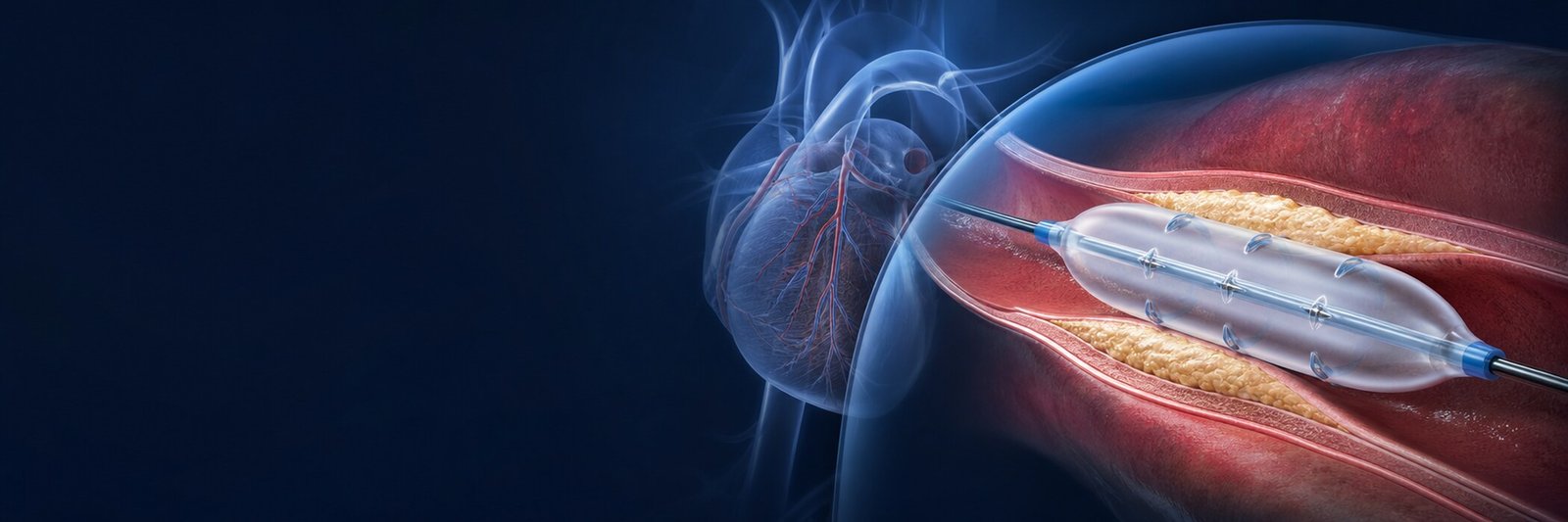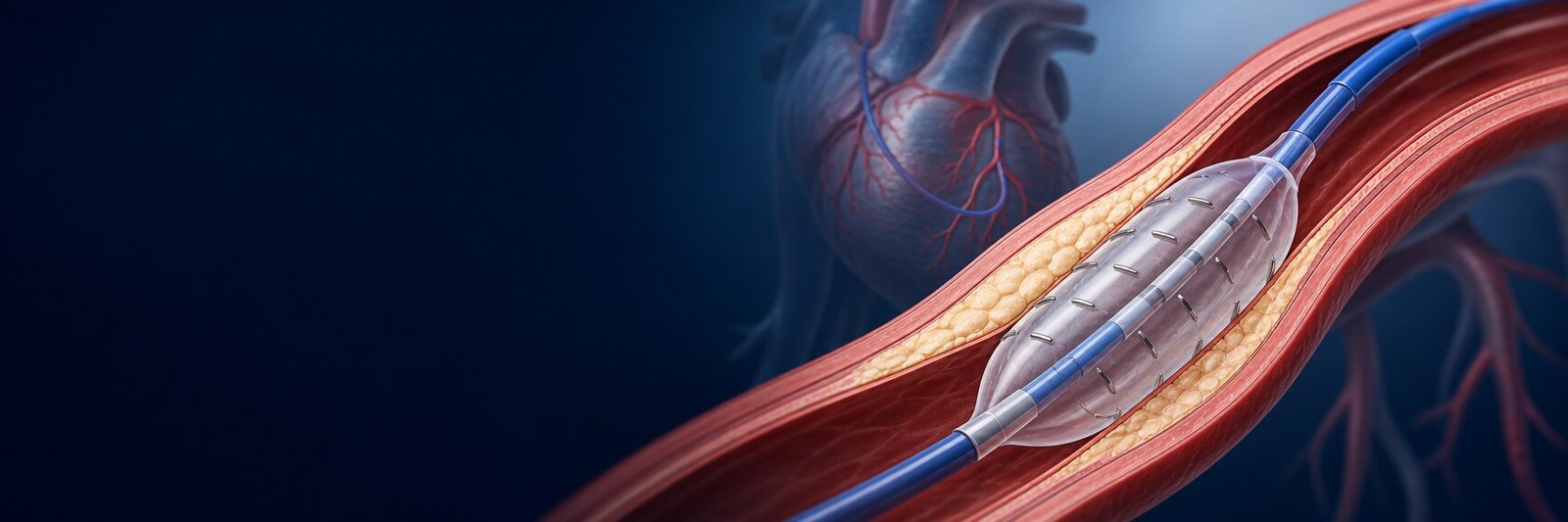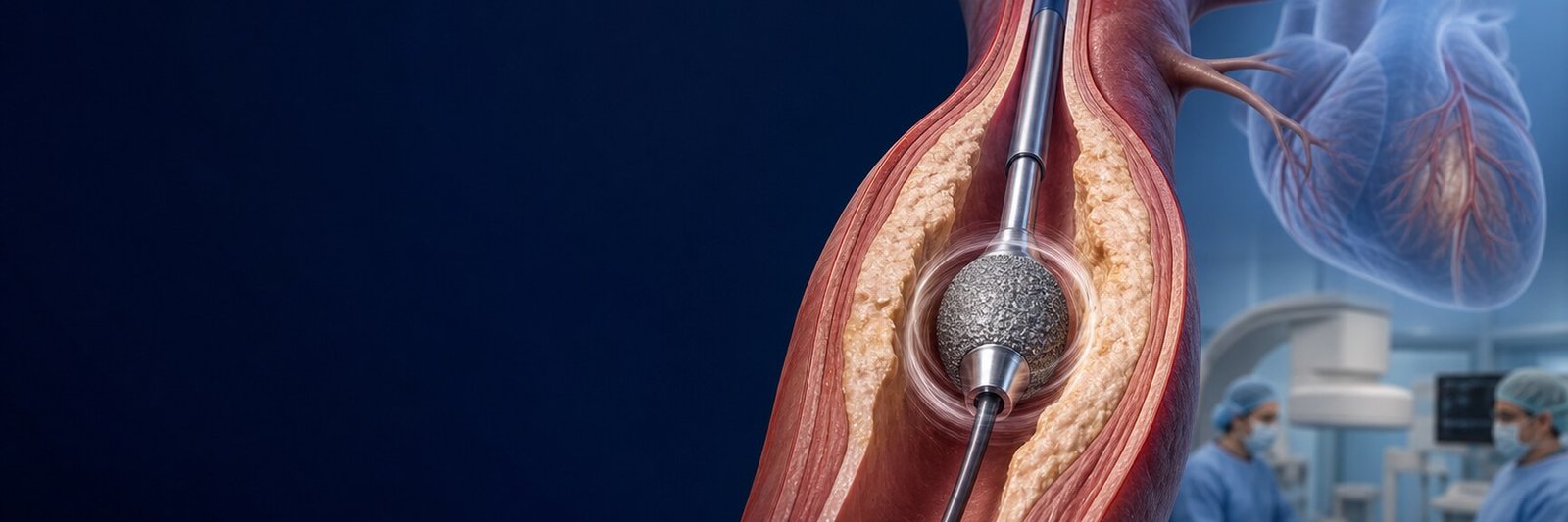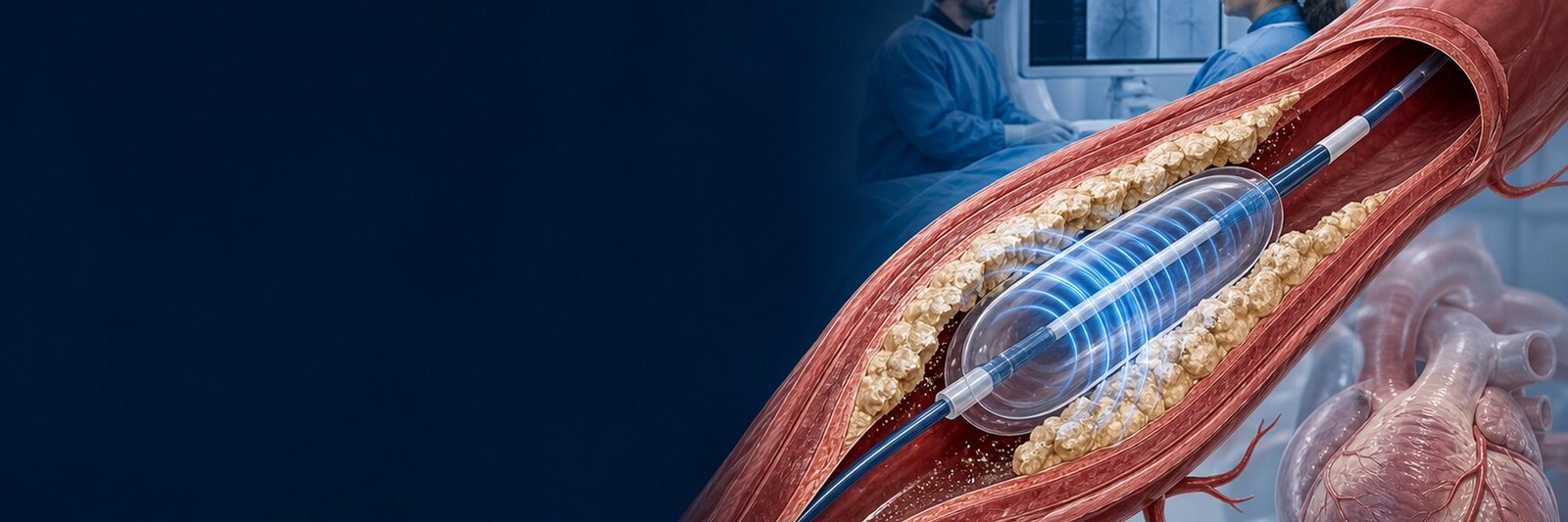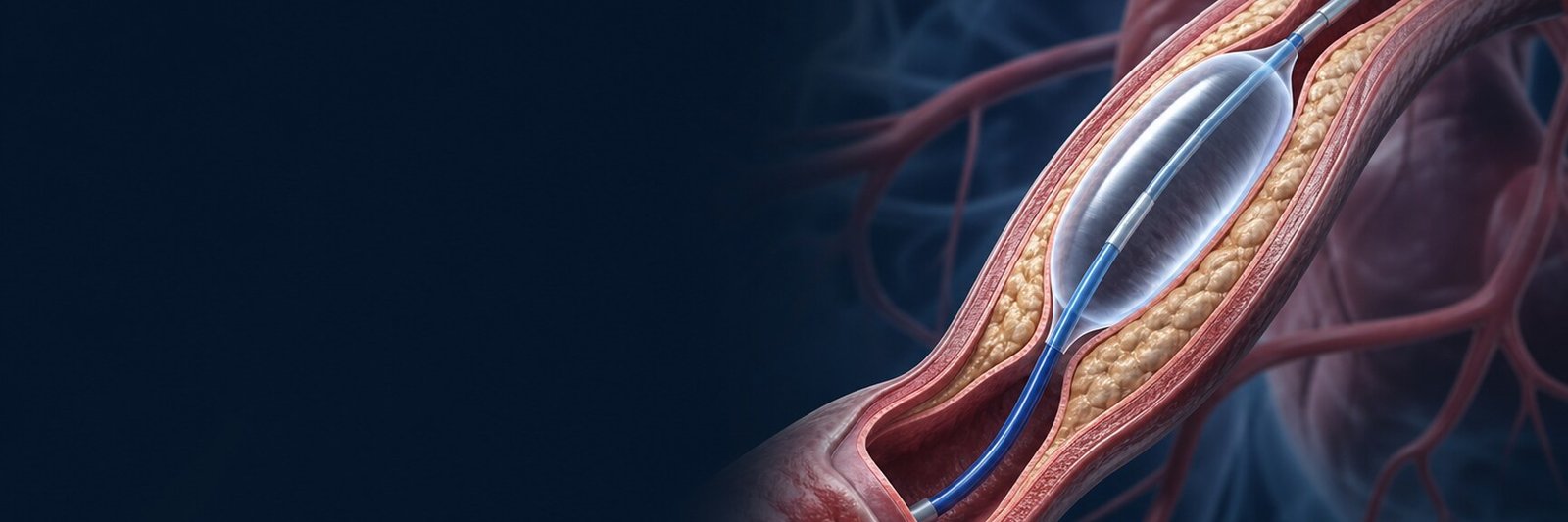
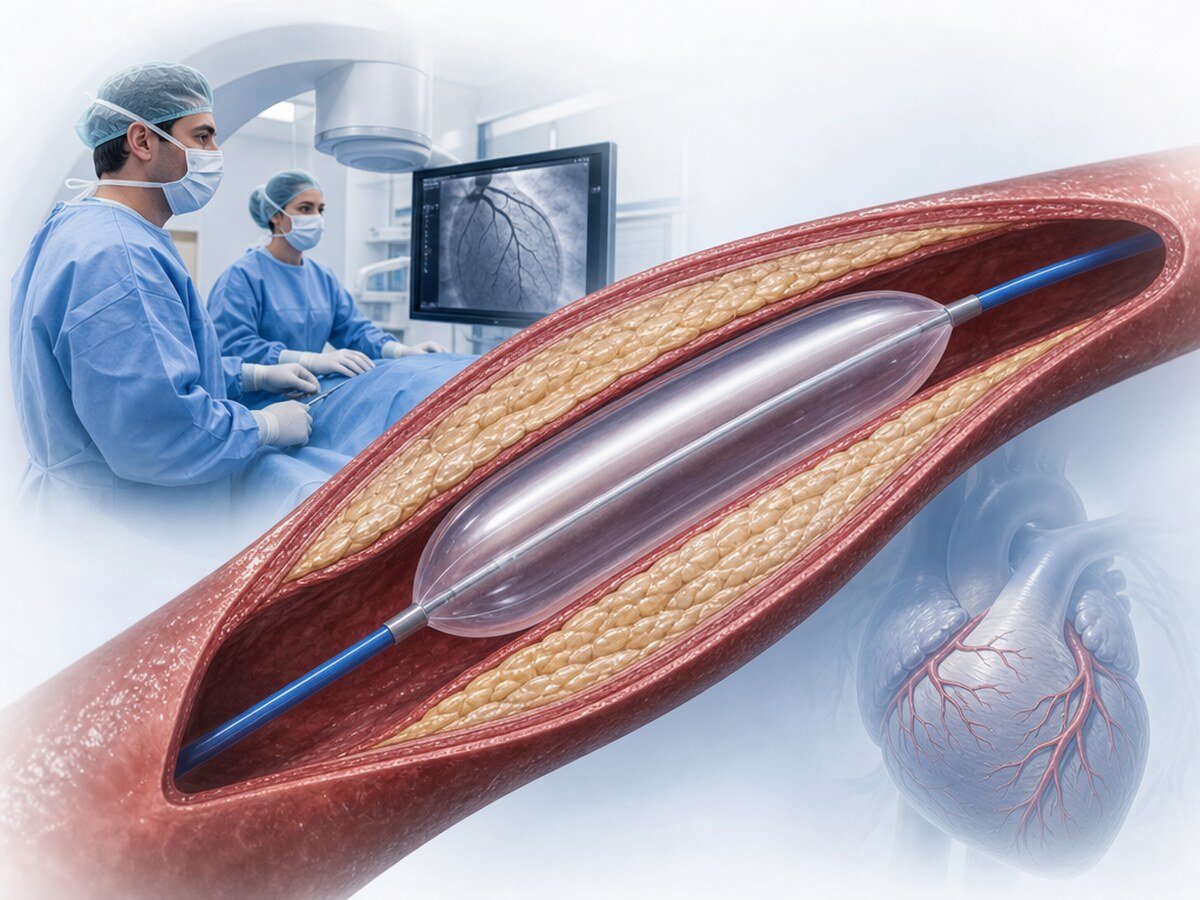
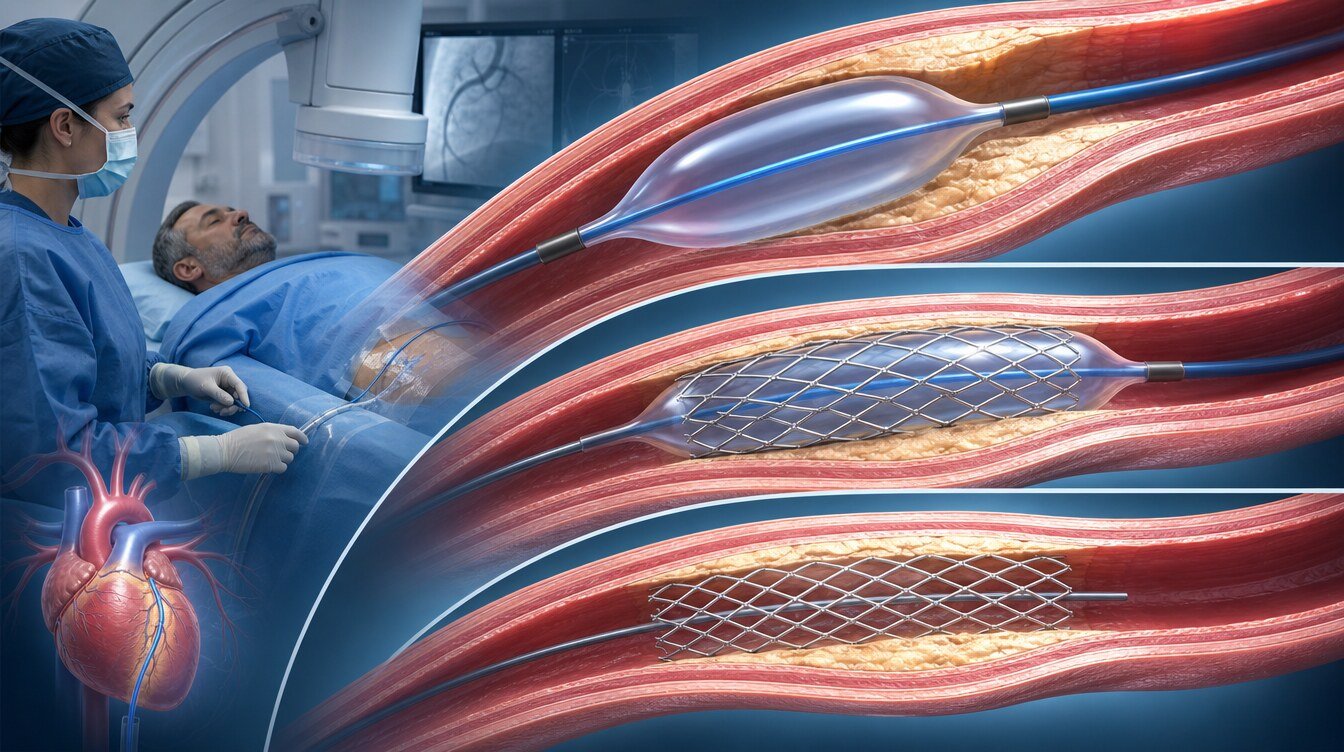
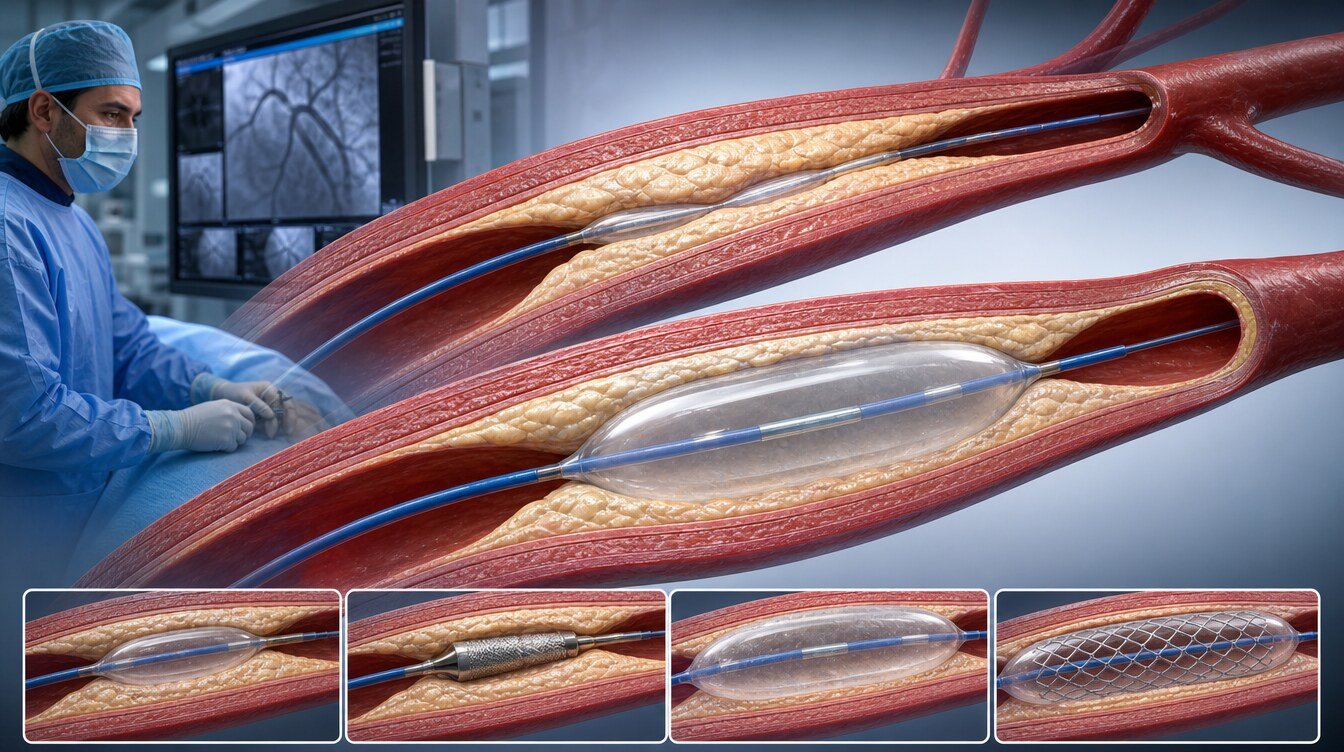
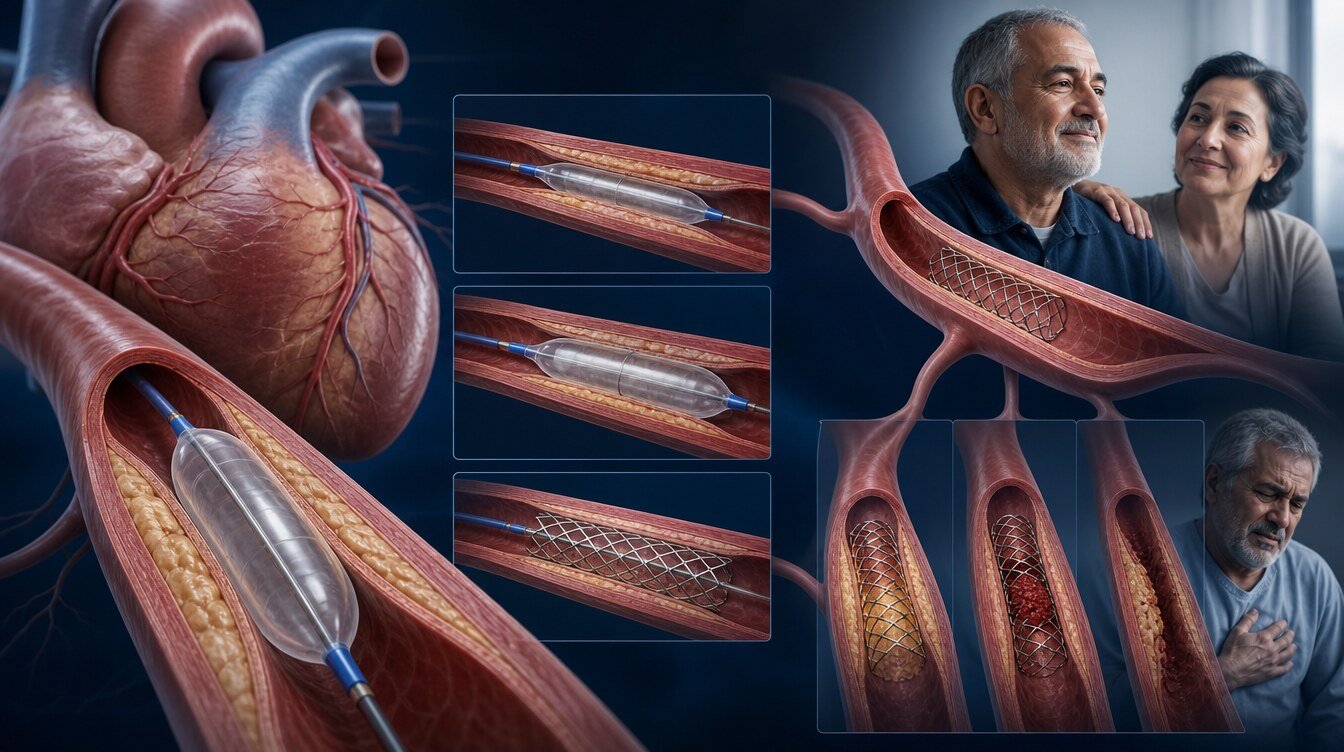
Non-compliant (NC) coronary balloon is a temporary angioplasty balloon used to expand a coronary stenosis or an implanted stent in a more controlled way. It is removed afterwards and is not left in the artery. It does not deliver a drug, scrape or clear calcium, and is not required in every coronary procedure.[1]
What does an NC balloon mean?
Non-compliant does not mean “never changes diameter” or “cannot burst.” It means diameter growth at higher pressure is more predictable than with a semi-compliant balloon. That property may allow more controlled expansion when needed.[1]
Construction, crossing profile, nominal pressure and rated burst pressure are product-specific, so this page does not publish a universal pressure threshold or operator recipe. An NC balloon is not a permanent implant; it is inflated, the result is checked and it is removed with the catheter.[1]
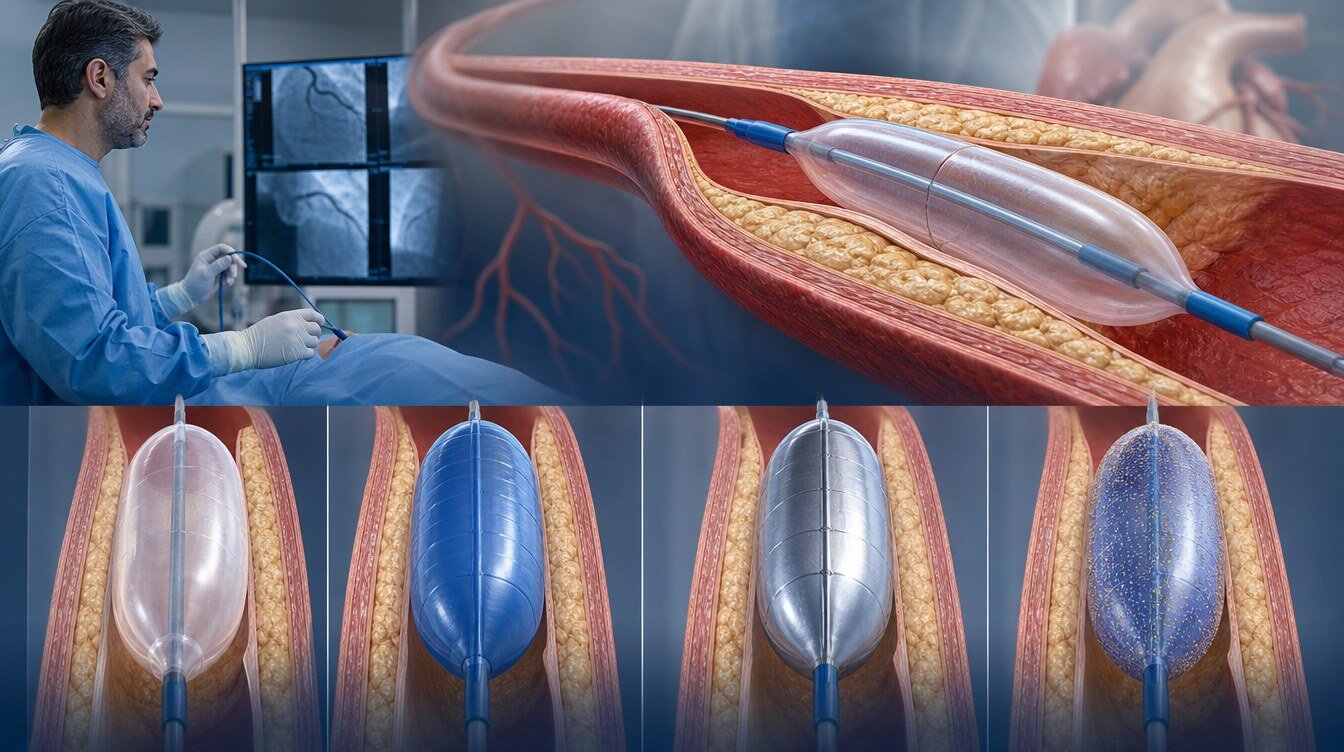
How does it differ from other balloons and methods?
More than one tool may be used in the same procedure. That does not make the categories interchangeable.
| Feature | Standard NC balloon | Semi-compliant balloon | Super high-pressure NC (e.g. OPN NC) | Drug-coated balloon (DCB) | Scoring / cutting balloon |
|---|---|---|---|---|---|
| Main purpose | Controlled mechanical expansion | Different flexibility for crossing or preparation | Selected resistant lesions not opened by a standard NC balloon | Drug transfer to the vessel wall | Focused mechanical effect on plaque |
| Remains in the artery? | No | No | No | No | No |
| Removes calcium? | No | No | No | No | No |
| Delivers drug? | No | No | No | Yes | No |
| Needed in every patient? | No; by lesion and result | No | No; a separate device class | No | No |
Super high-pressure twin-layer devices must not be pooled with standard NC evidence. In the pooled analysis by Cuculi and colleagues, Beo NC and OPN NC were labelled together as NC; that mix prevents attributing OPN NC outcomes to a standard NC balloon.[1]
Intravascular lithotripsy (IVL) and rotational/orbital atherectomy are separate calcium-modification methods. An NC balloon has not been shown to make them unnecessary.[6]
When may it be considered?
An NC balloon is not a routine step after every stent or stenosis. Timing depends on whether the lesion can be crossed, the angiographic or imaging result, and whether the stent has expanded adequately.[1,4]
Preparation before stenting
A stenosis may be prepared before stent placement. In a small pooled randomised pilot analysis, OCT stent-expansion index after NC-based preparation was higher than after a semi-compliant strategy (0.94 vs 0.88). The study enrolled 104 patients, excluded visible thrombus, chronic total occlusion and bifurcations, mixed metallic stents with bioresorbable scaffolds, and was not designed for clinical-event superiority. The NC arm also mixed Beo NC with OPN NC.[1]
Controlled expansion after stenting
If residual stenosis, a waist, underexpansion or an imaging finding needs correction after stent placement, additional NC dilatation may be considered. That is not the same as “an NC balloon after every stent.” In the contemporary drug-eluting stent era, routine additional NC post-dilatation has not been shown to reduce death, myocardial infarction or repeat procedures.[2,3]
Under-expanded stents
Inadequate stent expansion or apposition can matter for restenosis and stent thrombosis. Imaging may help distinguish mechanical underexpansion, malapposition, an edge problem or another mechanism. Applying higher pressure alone without identifying the cause is not appropriate.[4]
When may it be insufficient alone?
A standard NC balloon may not be enough in heavily calcified, fibrotic or resistant lesions. The retrieved pilot evidence is in simpler lesions and does not show adequacy in severe calcium.[1,6]
A different strategy may be needed when:
- The balloon cannot cross the stenosis
- The balloon crosses but cannot expand the lesion adequately (balloon-undilatable)
- Long, diffuse or superficial calcium needs another modification method
- Calcium beneath a stent resists balloon force
- Vessel size, tortuosity or location makes balloon use unsuitable
- Dissection or flow-limiting vessel injury occurs during the procedure
Scoring/cutting balloons, a super high-pressure balloon, rotational or orbital atherectomy, IVL, laser in selected cases, or a combined approach may then be considered. These tools are not universal substitutes for one another.[6]
Why may IVUS or OCT be used?
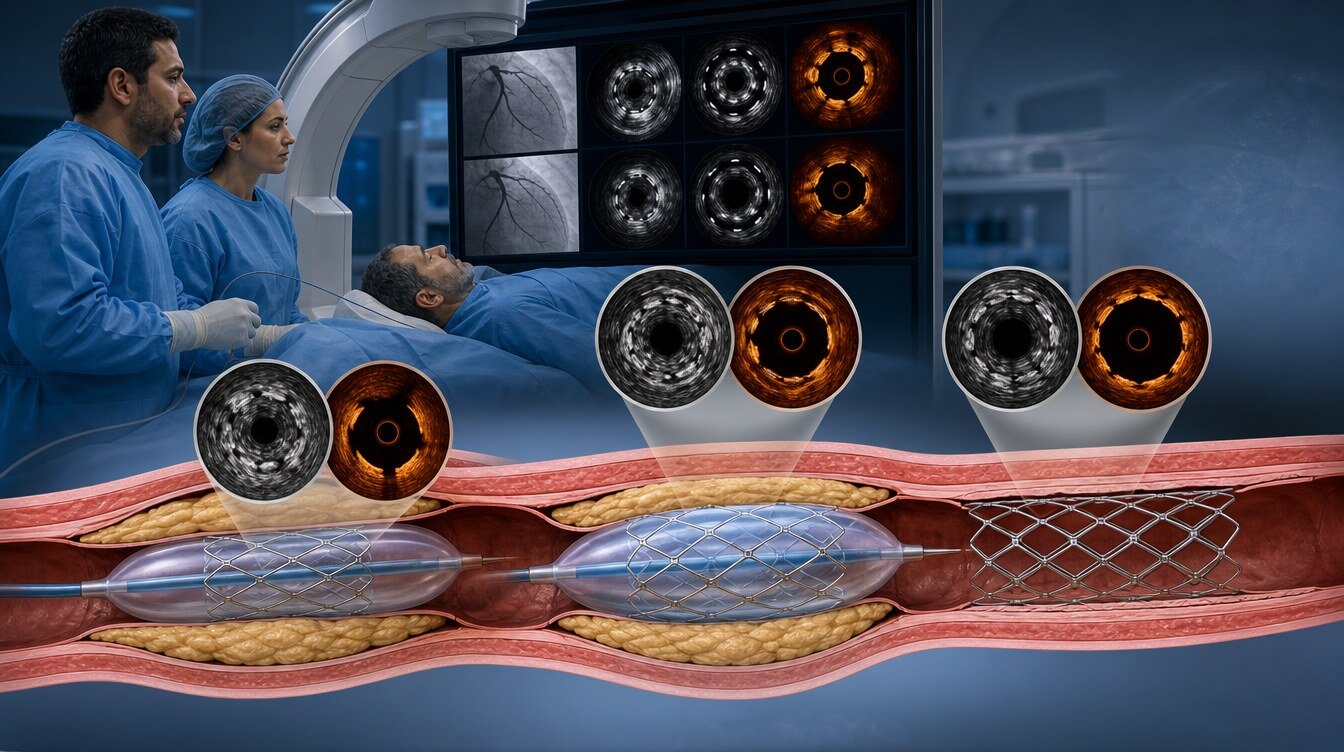
Coronary angiography gives a two-dimensional lumen view and can miss true stent expansion, wall contact and edge problems. Intravascular ultrasound (IVUS) and optical coherence tomography (OCT) provide cross-sectional images that can help assess whether the stent has expanded, whether it is apposed, whether an edge problem remains, and the mechanism of restenosis or stent thrombosis.[4]
An EAPCI expert consensus discusses pre-PCI sizing/planning and post-implant optimisation parameters, and recommends routine imaging in stent failure. That does not mean imaging prevents heart attack or death, or that it is technically possible in every patient. No universal expansion cut-off is published here.[4]
How is it used at branch points?
Where a coronary artery divides (a bifurcation), extra imaging and correction of the stent result may be planned so that the main vessel and side branch are protected. In the literature, proximal optimisation technique (POT) names reshaping of the proximal main-vessel stent after implantation so that the bifurcation geometry is more appropriate.[7]
For patients, this means an extra balloon step may be used in bifurcation procedures. This page does not teach POT steps, balloon-diameter choice or kissing-balloon technique. Observational associations are not proof that an NC balloon reduces death in bifurcation PCI.[7]
How is the procedure performed?
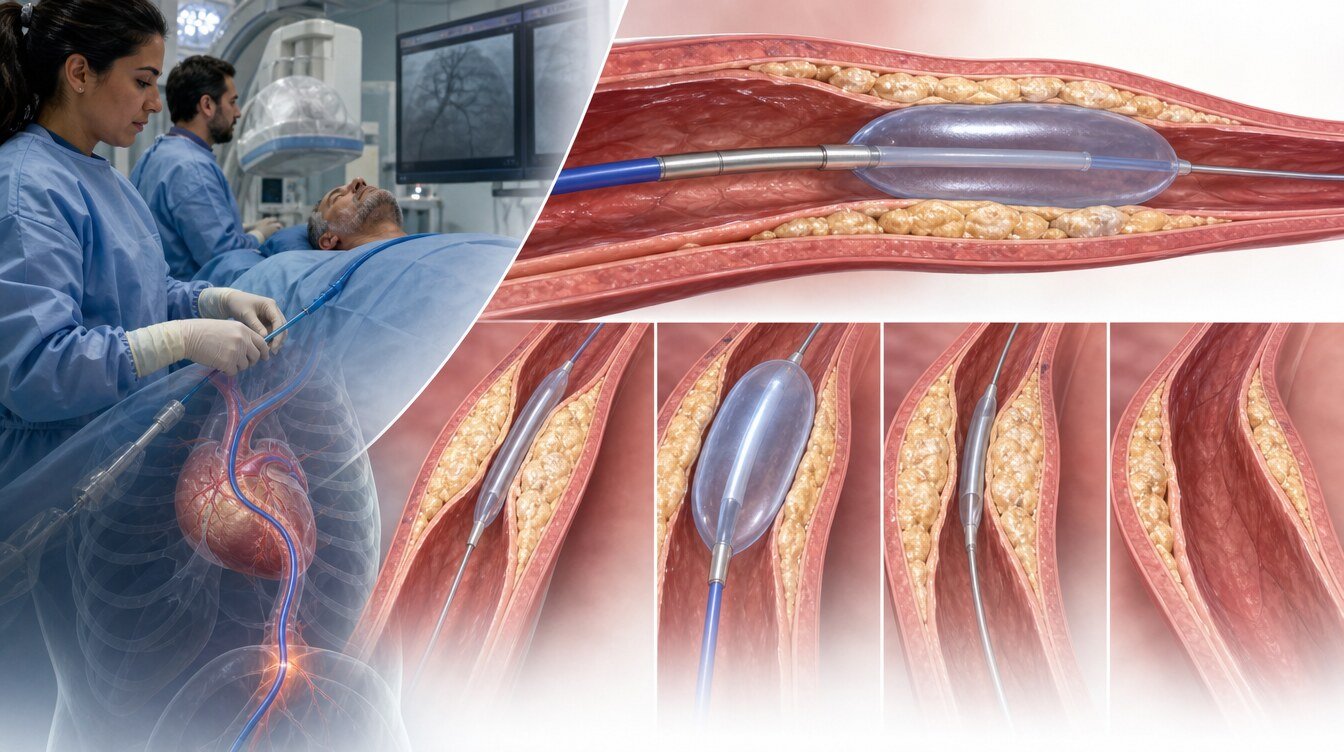
The procedure is done in a catheter laboratory equipped for coronary angiography and PCI. It is not a separate operation unique to the NC balloon; the patient experience is similar to other coronary balloon-stent procedures:[8]
- Preparation: History, medicines, blood tests, kidney function and contrast risk are reviewed.
- Access: Radial or femoral artery under local anaesthesia.
- Imaging and wire: The artery is imaged; a fine wire is advanced beyond the stenosis.
- Balloon and stent plan: The team chooses a semi-compliant balloon, NC balloon, stent or another tool according to the lesion and the live result.
- Result check: Flow, residual stenosis and, when used, IVUS/OCT findings are reassessed.
- Removal: The NC balloon is removed. If a stent was placed, the lasting structure is the stent.
Most patients remain awake. Brief chest discomfort during inflation should be reported if new or severe.[8]
What does the scientific evidence show?
Preparation before stenting
Cuculi and colleagues pooled two investigator-initiated pilots comparing NC-based high-pressure preparation with a semi-compliant balloon (104 patients). OCT stent-expansion index was higher in the NC arm; no perforation was reported and edge dissections were similar. The authors state this was not a clinical-efficacy trial and that a mixed BVS/DES population may have magnified the result. Because the NC category mixed Beo NC with OPN NC, a standard-NC-only superiority claim cannot be made.[1]
Expansion after stenting
POET compared same-size NC versus semi-compliant post-dilatation with IVUS (301 patients). It did not show NC superiority; in the reported overall result the semi-compliant arm met the study’s IVUS optimal-expansion definition more often. There was no difference in the paclitaxel-eluting stent subgroup. POET used older drug-eluting platforms and cannot be used as clinical-event superiority.[2]
The PRESS trial examined additional NC post-dilatation after everolimus-eluting stents. The retrieved record describes limited contemporary clinical value. Unverified numeric results from incomplete full text are not added here.[3]
Clinical outcomes
Better imaging or angiographic stent expansion does not automatically mean fewer deaths, infarctions, stent thromboses or repeat procedures. Adequately powered contemporary randomised evidence that routine NC post-dilatation reduces these patient-important outcomes is not available.[1,3]
What are possible benefits and limitations?
| Possible benefit / purpose | Limitation / required caveat |
|---|---|
| More predictable diameter at higher pressure | Does not mean zero growth or no rupture |
| May improve imaging metrics during preparation | Pilot data are small and mixed with OPN NC; not clinical superiority |
| Extra expansion tool after a selected inadequate stent result | Routine use has not been shown to reduce death or infarction |
| Balloon is removed and adds no new permanent implant | Most de novo plans still include a stent |
| May be used as an extra shaping step at bifurcations | POT is not published as an operator tutorial; no causal clinical-benefit claim |
What are the risks?
An NC balloon is used in coronary intervention. Risks of balloon inflation overlap with PCI generally:[1,8]
- Coronary dissection
- Coronary perforation
- Balloon damage or rupture
- Slow flow or no-reflow
- Acute vessel closure
- Side-branch compromise
- Myocardial infarction or arrhythmia
- Access-site bleeding and vascular complications
- Contrast-related kidney injury or allergy
- Later stent thrombosis or restenosis if a stent is used
Absence of perforation in a small pilot is not a safety proof across all calcified or complex lesions.[1] Study rates must not be copied as a personal risk calculator.
What are the alternatives?
| Method | Core approach | Key difference from an NC balloon |
|---|---|---|
| Semi-compliant balloon | More flexible diameter behaviour | May be preferred for initial crossing or preparation |
| Super high-pressure NC | Separate resistant-lesion device | Must not be pooled with standard NC evidence |
| Scoring / cutting balloon | Focused plaque effect | Not the same device |
| Drug-coated balloon (DCB) | Antiproliferative drug transfer | Not a substitute for mechanical NC dilatation |
| Rotational / orbital atherectomy | Modifies superficial hard tissue | May create a path when balloons cannot cross |
| Intravascular lithotripsy (IVL) | Pressure waves that fracture calcium | Different mechanism; the balloon must still cross |
Methods may be combined; combined use is not routine for every patient.[6]
Preparation, discharge and recovery
Preparation depends on elective versus urgent setting, kidney function, bleeding risk, medicines, contrast history and access route. Follow hospital fasting and medicine instructions; do not stop prescribed medicines on your own.[8]
After planned uncomplicated coronary angioplasty some patients go home the same or next day. Local policy, clinical status and complications change the timing.[8]
Discharge advice should be personalised and include access-site care, activity limits, antiplatelet and other prescriptions, follow-up, and when to seek emergency care.
NC balloon use alone does not set antiplatelet duration. The plan depends on stenting, the clinical syndrome and bleeding–clotting risk. Stopping antiplatelets without advice can cause serious stent thrombosis.[8]
Bruising at the access site can occur. Increasing pain, swelling, redness, discharge or fever should prompt contact with the treating centre or another healthcare service.[8]
When should emergency services be called?
Call emergency services (112 in Türkiye) without delay for:[8]
- Chest pain that does not settle or is worsening
- Access-site bleeding that continues despite direct pressure or starts again
- Marked coldness, colour change or numbness in the treated arm or leg
- Fainting, severe breathlessness, sudden weakness or a change in consciousness
Not every bruise or mild tenderness is an emergency; uncontrolled bleeding, severe chest pain or impaired limb circulation is. Do not drive yourself with emergency symptoms.[8]
Frequently asked questions
No. Non-compliant means diameter growth is more predictable as pressure rises. The balloon can still rupture; higher pressure is not automatically safer.[1]
No. A drug-coated balloon (DCB) delivers drug to the vessel wall. A standard NC balloon is a mechanical dilatation device and does not deliver drug.[1]
No. Antiplatelet duration is set by the overall PCI/stent strategy and clinical syndrome, not by NC balloon use alone. Do not stop prescribed medicines without advice.[8]
No. OPN NC is a separate super high-pressure device/platform. Its evidence must not be pooled with standard NC balloons.[1]
Assessment and decision
An NC balloon is a temporary mechanical tool used in selected coronary procedures. Planning is broader than “will an NC balloon be used?” and includes treatment need, device crossability, the stent result, IVUS/OCT findings and alternatives.[4,5]
Literature
References
Cuculi F, Bossard M, Zasada W, et al. Performing percutaneous coronary interventions with predilatation using non-compliant balloons at high-pressure versus conventional semi-compliant balloons: insights from two randomised studies using optical coherence tomography. Open Heart. 2020. DOI: 10.1136/openhrt-2019-001204. Trial: NCT03518645.
Kim JS, Moon J, Ko YG, et al. Intravascular ultrasound evaluation of optimal drug-eluting stent expansion after poststent balloon dilation using a noncompliant balloon versus a semicompliant balloon (POET). Am J Cardiol. 2008. DOI: 10.1016/j.amjcard.2008.03.059.
Park GM, Lee JH, Choi SW, et al. Additional postdilatation using noncompliant balloons after everolimus-eluting stent implantation: Results of the PRESS trial. Clin Cardiol. 2020. DOI: 10.1002/clc.23355. PMID: 32176364. PMCID: PMC7298980.
Räber L, Mintz GS, Koskinas KC, et al. Clinical use of intracoronary imaging. Part 1: guidance and optimization of coronary interventions. EAPCI expert consensus. EuroIntervention. 2018. Official journal record. DOI was not verified in the Elicit pack and is not added.
ACC/AHA/SCAI. 2021 Guideline for Coronary Artery Revascularization. Publisher record. DOI/PMID were not verified in the Elicit pack and are not added; this is not a universal NC post-dilatation recommendation.
Riley RF, Patel M, Abbott JD, et al. SCAI Expert Consensus Statement on the Management of Calcified Coronary Lesions. JSCAI. 2024. DOI: 10.1016/j.jscai.2023.101259.
Albiero R, Burzotta F, Lassen JF, et al. Treatment of coronary bifurcation lesions, part I: implanting the first stent in the provisional pathway. The 16th expert consensus document of the European Bifurcation Club. EuroIntervention. 2022. DOI: 10.4244/EIJ-D-22-00165.
NHS. Coronary angioplasty and stent insertion — Recovery. Official patient information. Accessed 26 August 2026.
Continue