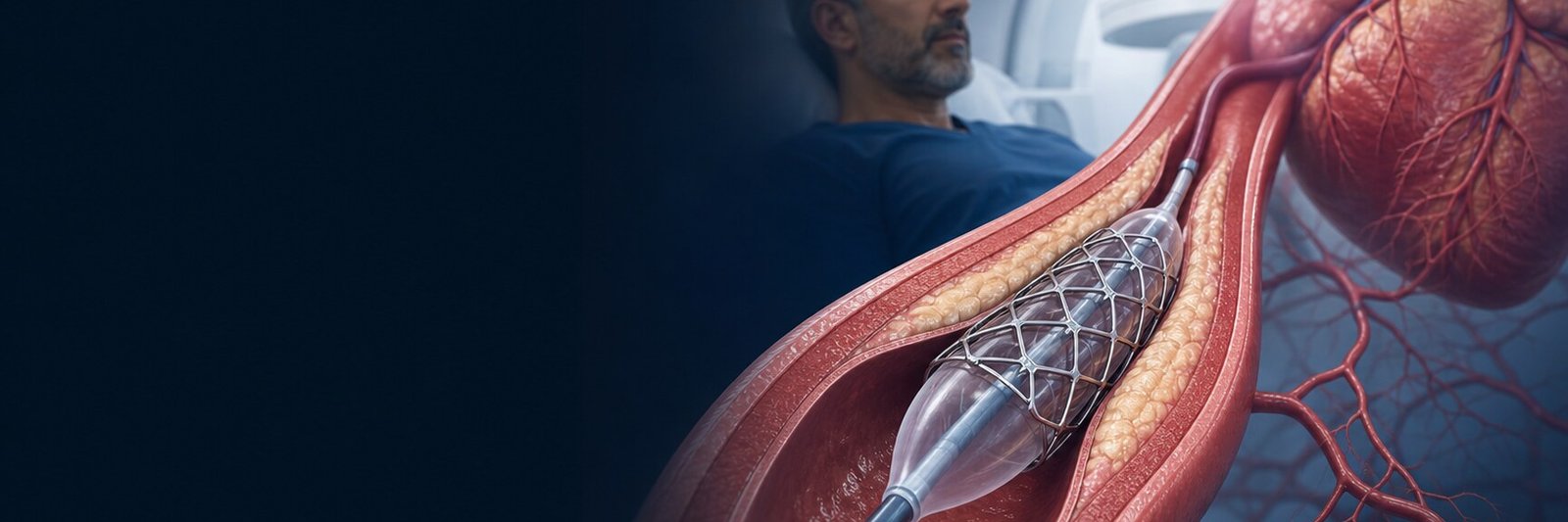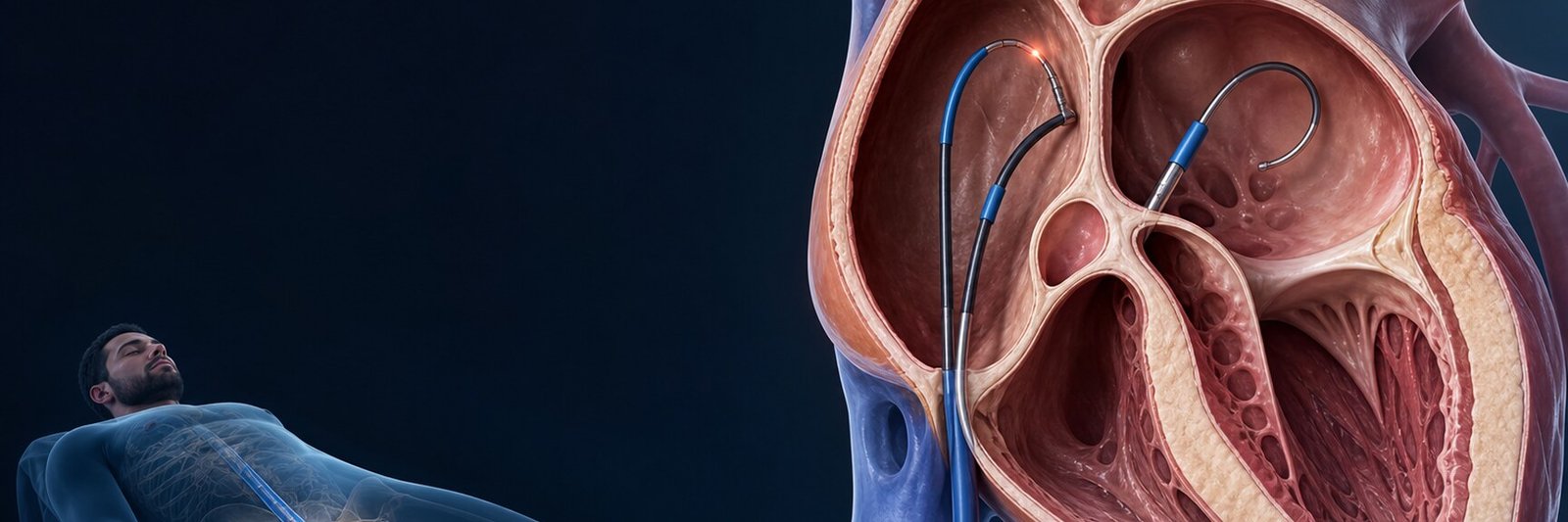
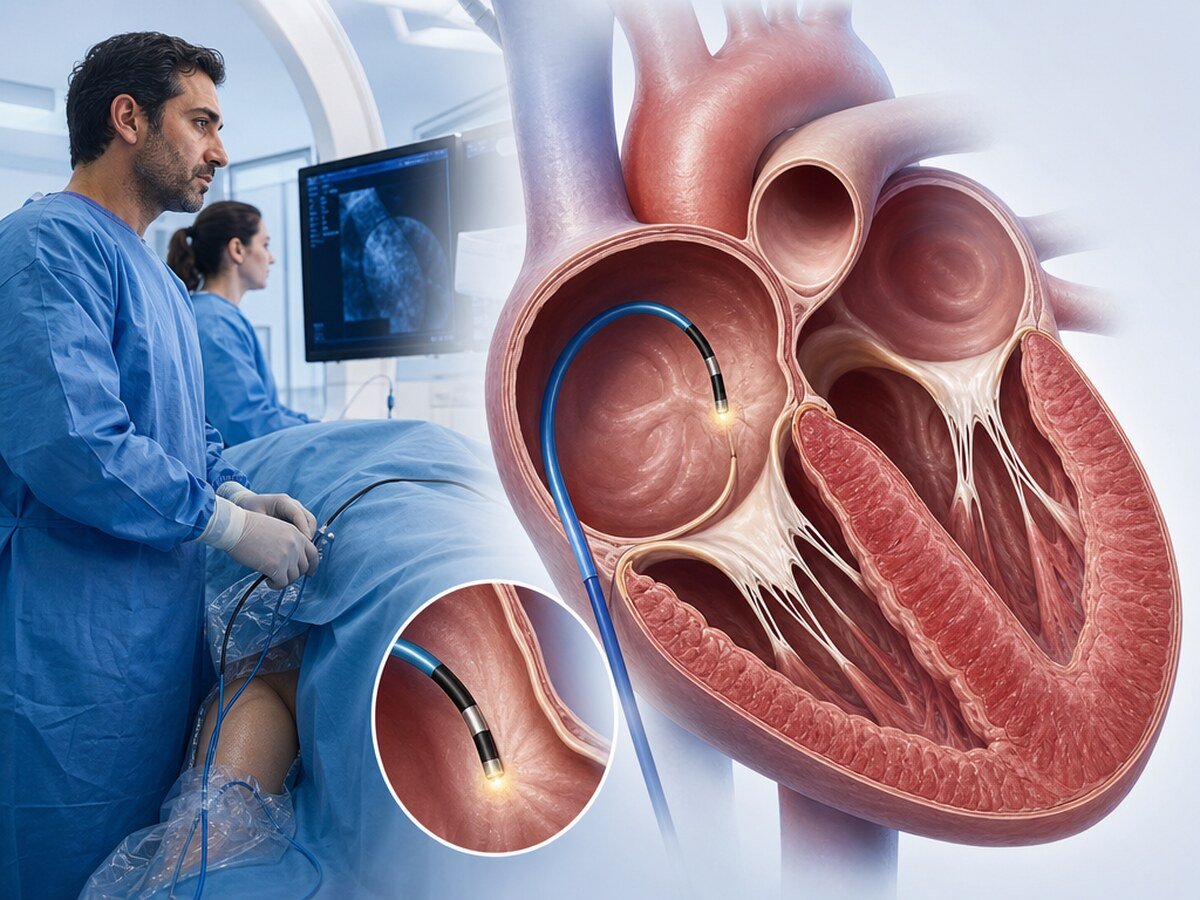
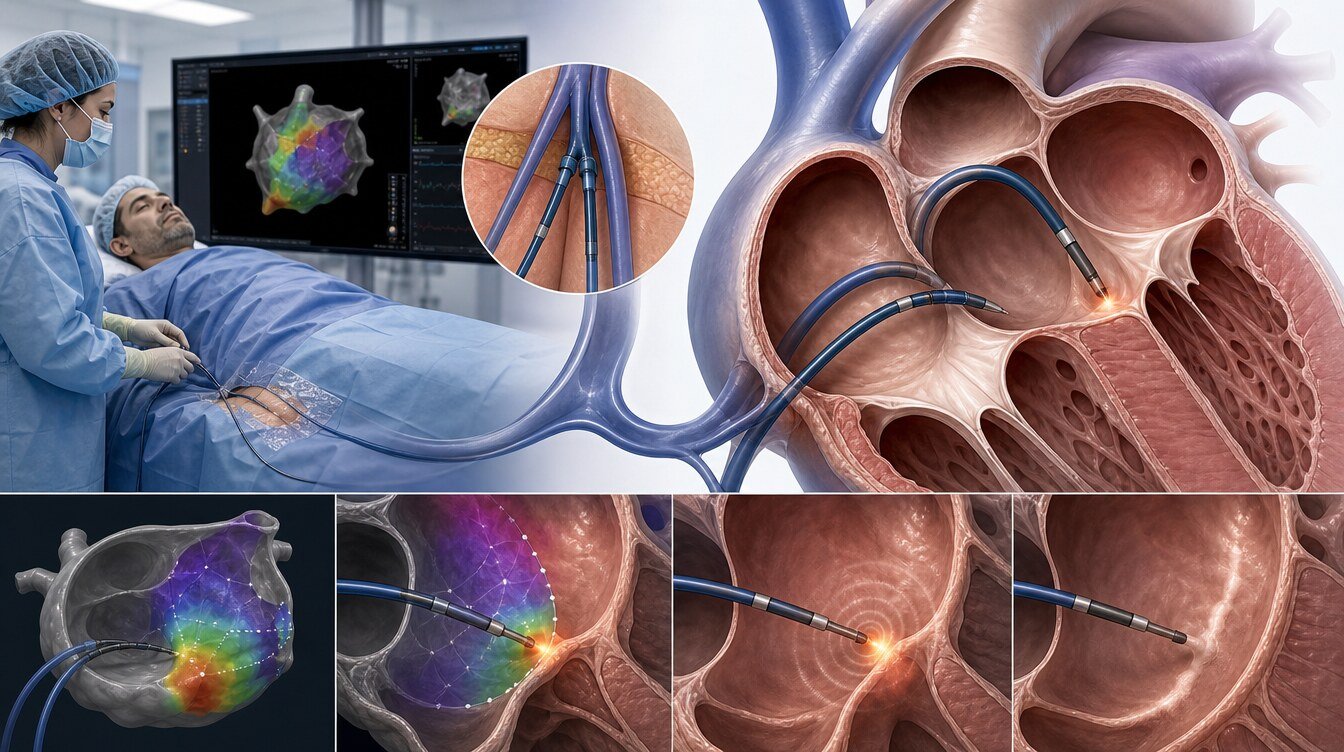
Cardiac ablation, or catheter ablation, is an interventional procedure in which catheters target the electrical focus, abnormal conduction pathway or circuit that starts or sustains an arrhythmia. The catheters are usually advanced from veins in the groin, so the procedure is not open-heart surgery. How ablation is performed, which tissue is targeted and which energy is used depend on the type of rhythm disturbance. [1–4]
What does cardiac ablation aim to do?
The heart has its own electrical system that keeps a regular rhythm. In some arrhythmias the problem is an extra conduction pathway that should not be there; in others a small electrical focus; in others a circuit in which the impulse keeps circulating.
The aim of catheter ablation is to define that mechanism and to electrically inactivate or isolate the tissue that sustains the arrhythmia. It is therefore not accurate to describe the procedure only as “burning a spot in the heart”. Radiofrequency energy creates a heating effect, cryoablation uses cooling, and pulsed field ablation (PFA) uses electric fields to produce irreversible electroporation. [2,6]
What is an electrophysiology study (EPS)?
An electrophysiology study (EPS) examines the heart’s electrical activity in detail with catheters placed through blood vessels. In some arrhythmias, controlled electrical stimuli are given during the procedure to show how the arrhythmia starts and which path it follows.
When ablation is planned, the electrophysiology study is often the mapping part of the same procedure: the source or circuit is defined first, then ablation is applied to the appropriate target. Not every electrophysiology study has to end in ablation. [3,5]
In which rhythm disturbances can cardiac ablation be used?
Not every palpitation needs ablation. The rhythm disturbance must first be documented and classified with ECG, Holter monitoring, an event recorder or another suitable method. The ablation decision is made together from the arrhythmia type, symptoms, how often episodes occur, the structure of the heart, accompanying diseases, previous treatments and the expected balance of benefit and risk. [1–5]
Supraventricular tachycardia (SVT)
Supraventricular tachycardias are rapid rhythm disturbances that usually arise from the upper chambers of the heart. This group includes AVNRT, AVRT that uses an accessory pathway, tachycardias related to Wolff–Parkinson–White (WPW) syndrome, and some focal atrial tachycardias.
In these arrhythmias, ablation may target the extra pathway that sustains the rhythm, a critical part of the circuit, or an abnormal focus. The treatment decision depends on the exact arrhythmia type, symptoms and the person’s clinical features. [3]
Atrial flutter
Typical atrial flutter is caused by an electrical circuit that keeps circulating in the right atrium. Typical flutter ablation usually targets the cavotricuspid isthmus, a critical part of that circuit. Not every atrial flutter has the same mechanism; different circuits can be seen in people who have had heart surgery or previous ablation. [3]
Atrial fibrillation (AF)
Atrial fibrillation (AF) is an arrhythmia in which organised electrical activity in the atria is lost and an irregular rhythm appears. In most people the main target of AF ablation is pulmonary vein isolation (PVI). PVI aims to stop electrical triggers from the regions where the pulmonary veins enter the left atrium from spreading into atrial tissue. [1,2]
AF ablation is a separate clinical decision. The procedure is not chosen from the fact of AF alone; symptoms, the AF pattern, accompanying diseases, the structure of the heart, previous rhythm-control treatment and the person’s preference are considered together. In the 2024 ESC guideline, catheter ablation is one of the first rhythm-control options in selected people with paroxysmal AF; it is also a strong option in paroxysmal and persistent AF when medicine has been insufficient or not tolerated. [1]
PVCs and ventricular tachycardia
Premature ventricular contractions (PVCs) can have very different clinical meanings. In some people they are infrequent and benign; in others a high PVC burden can accompany symptoms or reduced heart function. Ablation of a PVC focus may be considered in selected people.
Ventricular tachycardia (VT) ablation is planned according to underlying heart disease, the type of VT, medical therapy, whether an ICD is present and the clinical picture. The approach is not the same in people with and without structural heart disease. There is therefore no general rule that “every VT needs ablation”. [4,5]
How is cardiac ablation performed?
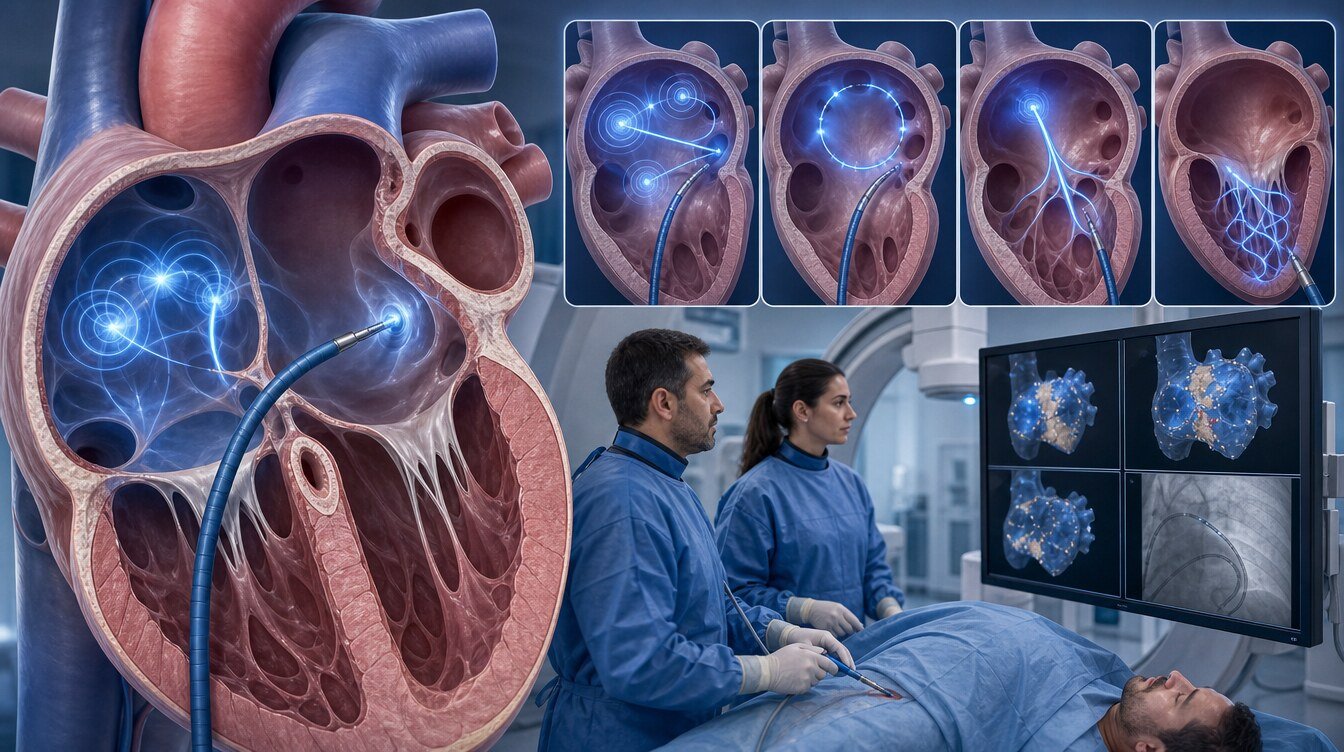
Details vary with the rhythm disturbance, but the general sequence may include:
- Confirming the rhythm diagnosis: ECG, Holter, event-recorder or other rhythm recordings are reviewed.
- Assessing the structure of the heart: Echocardiography and further imaging are used when needed.
- Reviewing medicines: Rhythm medicines and, especially in AF, anticoagulant treatment are arranged according to the procedure plan.
- Advancing catheters through blood vessels: Catheters usually reach the heart through a groin vein. Some ventricular procedures may need an artery or a different access route.
- Electrical mapping: The heart’s electrical activity is recorded; the source, circuit or target region of the arrhythmia is defined.
- Ablation: Appropriate energy is applied to the target tissue.
- End-of-procedure check: Whether ablation has produced the intended electrical result is assessed.
- Observation and follow-up: The catheters are removed; the access site and the rhythm are watched for a time.
Procedure duration is not fixed. A straightforward SVT ablation does not require the same time or preparation as AF ablation in the left atrium or ventricular tachycardia ablation. [2–5]
Which methods are used in ablation?
Radiofrequency ablation (RF)
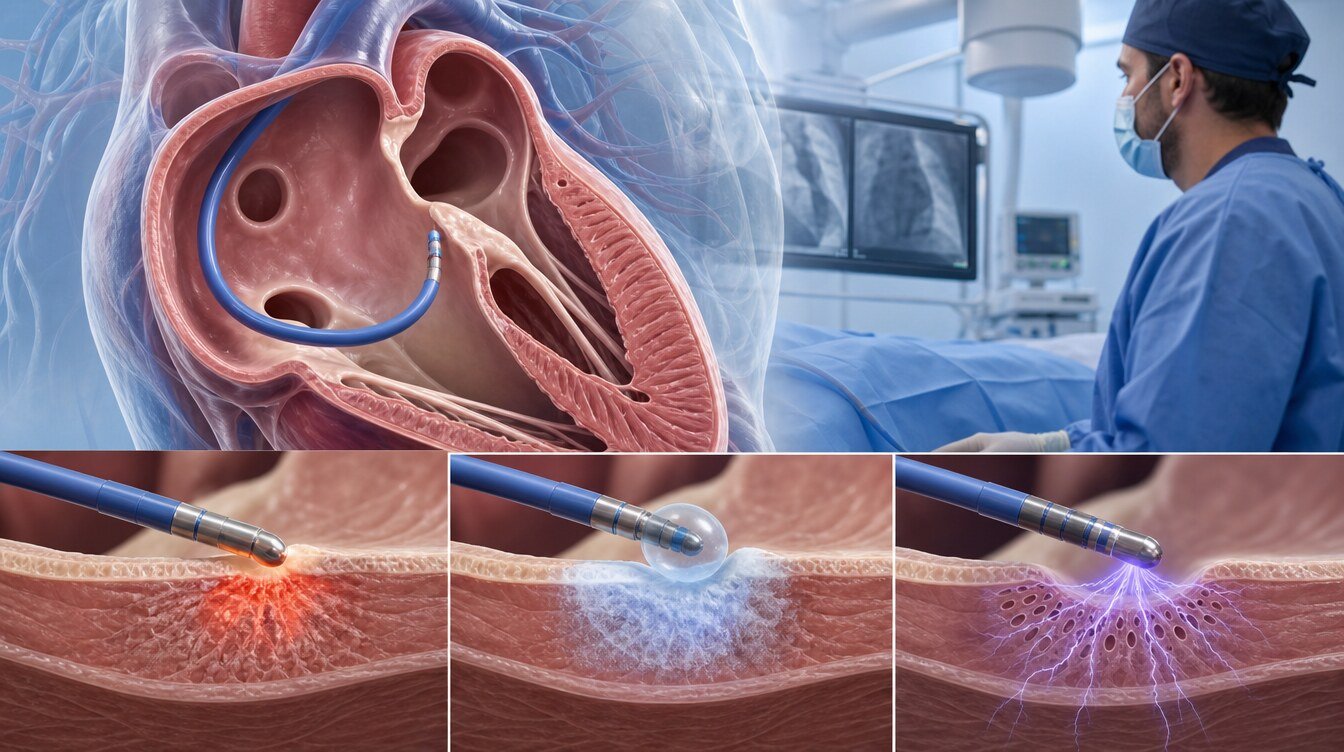
In radiofrequency ablation, energy from the catheter tip creates a controlled heating effect in the tissue. The aim is to interrupt electrical conduction in the target region that produces the arrhythmia. RF ablation is an established method used in SVT, atrial flutter, AF and some ventricular arrhythmias. [2,3,5]
Cryoablation and cryoballoon
Cryoablation affects tissue by controlled cooling. Cryoballoon systems used in AF treatment aim to create circumferential isolation at the entrance of the pulmonary veins. The choice between radiofrequency and cryoballoon takes account of anatomy, arrhythmia type, the system in use and clinical conditions. [2]
Pulsed field ablation (PFA)
Pulsed field ablation (PFA) is a predominantly non-thermal ablation technology that creates irreversible electroporation with very brief electric-field pulses instead of heat or freezing. The 2026 joint EHRA/HRS/APHRS/LAHRS/CHRS scientific statement notes that PFA has entered clinical use rapidly, especially for pulmonary vein isolation in AF, and that randomised trials have shown results in paroxysmal AF that are at least comparable with thermal techniques. [6–9]
PFA is not, however, “the best”, “risk-free”, or suitable for every rhythm disturbance. The safety profile can vary with the PFA system and the application site; coronary spasm, haemolysis and other PFA-specific or PFA-related findings are also followed in the scientific literature. Evidence continues to develop for targets outside the pulmonary veins, long-term durability and some complex arrhythmia applications. [6]
How is atrial fibrillation ablation performed?
The main target of AF ablation in most people is pulmonary vein isolation (PVI). To reach the left atrium, the usual route is from a groin vein into the right atrium, then a controlled crossing of the atrial septum. Electrical isolation is then created around the pulmonary veins. The technique may be RF, cryoballoon or PFA. [1,2,6]
The pattern of AF over time also matters:
- Paroxysmal AF: AF episodes that stop on their own or with intervention within 7 days.
- Persistent AF: AF that does not stop on its own; clinical studies usually use a 7-day threshold.
- Long-standing persistent AF: AF that has continued for at least 12 months, while rhythm control is still a treatment option.
- Permanent AF: The person and the clinician have together decided not to plan further attempts to restore sinus rhythm. “Permanent” does not mean the disease is biologically irreversible; it describes a treatment strategy. [1]
This distinction matters because patient selection and expected results for AF ablation are assessed together with the AF pattern, duration, left-atrial features and accompanying diseases.
Does every person with atrial fibrillation need ablation?
No. The aim of AF treatment is not only to correct a rhythm recording. Management of accompanying diseases and risk factors, reduction of stroke risk, rate or rhythm control and regular reassessment are considered together. The 2024 ESC approach describes this whole as the AF-CARE framework. [1]
Catheter ablation comes up especially when a rhythm-control strategy is being considered. In paroxysmal AF it may be one of the first options in selected people. It may also be considered in persistent AF and in people whose symptoms continue despite antiarrhythmic medicine. Preference, procedural risk, AF duration and clinical features that affect the chance of recurrence remain part of the decision. [1,2]
Management of modifiable factors such as hypertension, obesity, sleep apnoea, physical activity and alcohol use is also an important part of AF treatment. Ablation does not replace management of these factors. [1]
Is the patient asleep during ablation, and is it painful?
The sedation and anaesthesia method can vary with the type of ablation, procedure duration, the technology used, the person’s clinical features and the centre’s practice.
Local anaesthetic is used at the vascular access site. Some procedures are done with conscious or deep sedation, others with general anaesthesia. If the arrhythmia is triggered in a controlled way during the electrophysiology study, a brief palpitation may be felt. Tenderness or bruising in the groin can occur afterwards.
It is therefore not accurate to say that “ablation is completely painless” or that “the patient feels nothing” for everyone. [2,5]
What are the risks of cardiac ablation?
The risks of ablation vary with the type of rhythm disturbance, whether the procedure is in the right or left heart, the target region, the access route, the energy used and accompanying diseases. [2,4,5]
Possible complications include:
- bleeding or haematoma at the access site,
- vessel injury,
- perforation of the heart wall and pericardial effusion or tamponade,
- thromboembolic events such as clot and stroke,
- effects on the normal conduction system at certain targets, with a possible need for a pacemaker,
- pulmonary vein stenosis after AF ablation,
- phrenic-nerve injury,
- rare but serious oesophageal injury or atrio-oesophageal fistula during thermal ablation in the left atrium,
- vessel- or valve-related complications in ventricular ablation, depending on the target
The effect of PFA on surrounding tissues differs from thermal methods; some thermal complications are expected to be less common, but PFA also has its own safety topics. Energy type alone does not mean a “risk-free procedure”. [6]
What can be expected after ablation?
After the procedure, the access site and the heart rhythm are watched for a time. Length of stay, when to stand, driving and return to physical activity can vary with the type of procedure and the person’s condition. A single hour or day therefore cannot be given for everyone.
Feeling palpitations in the first days and weeks does not always mean that ablation has failed. Early atrial arrhythmias can occur especially after AF ablation, and rhythm follow-up is important. [2]
What does “blanking period” mean?
The 2024 EHRA/HRS/APHRS/LAHRS consensus has recommended defining the 8-week period after thermal AF ablation as a “blanking period” in clinical research. Not every atrial arrhythmia episode in this period is automatically counted as procedure failure. Frequent, prolonged or clearly symptomatic episodes should still be assessed clinically. [2]
The 2026 PFA scientific statement notes that the inflammatory effect of PFA may differ from thermal ablation and that a shorter period is being studied when early recurrences after PFA are interpreted. A shorter blanking interval for PFA should not yet be taken as a single standard that applies to everyone. [6]
Can the rhythm disturbance come back after ablation?
The chance of recurrence varies with the type of arrhythmia. Procedures that target more defined electrical circuits, such as AVNRT, an accessory pathway or typical flutter, do not have the same long-term course as atrial fibrillation or ventricular arrhythmias related to structural heart disease.
In AF especially, the rhythm disturbance can return, and some people may need reassessment, adjustment of medical therapy or a repeat ablation. One ablation procedure does not guarantee that the arrhythmia will never appear again. [1,2]
Are blood thinners stopped after ablation?
This question is especially important after atrial fibrillation ablation.
According to the 2024 ESC guideline, in people who have had AF ablation oral anticoagulant treatment is continued for at least 2 months, independent of the rhythm result or the estimated stroke risk. After two months, whether anticoagulation continues is decided from the person’s thromboembolic or stroke risk, not from whether ablation “looks successful”. [1,2]
A normal ECG or the absence of palpitations is therefore not enough for a person to stop a blood thinner on their own. Medicine changes should be made with a clinician’s assessment.
What assessments may be done before ablation?
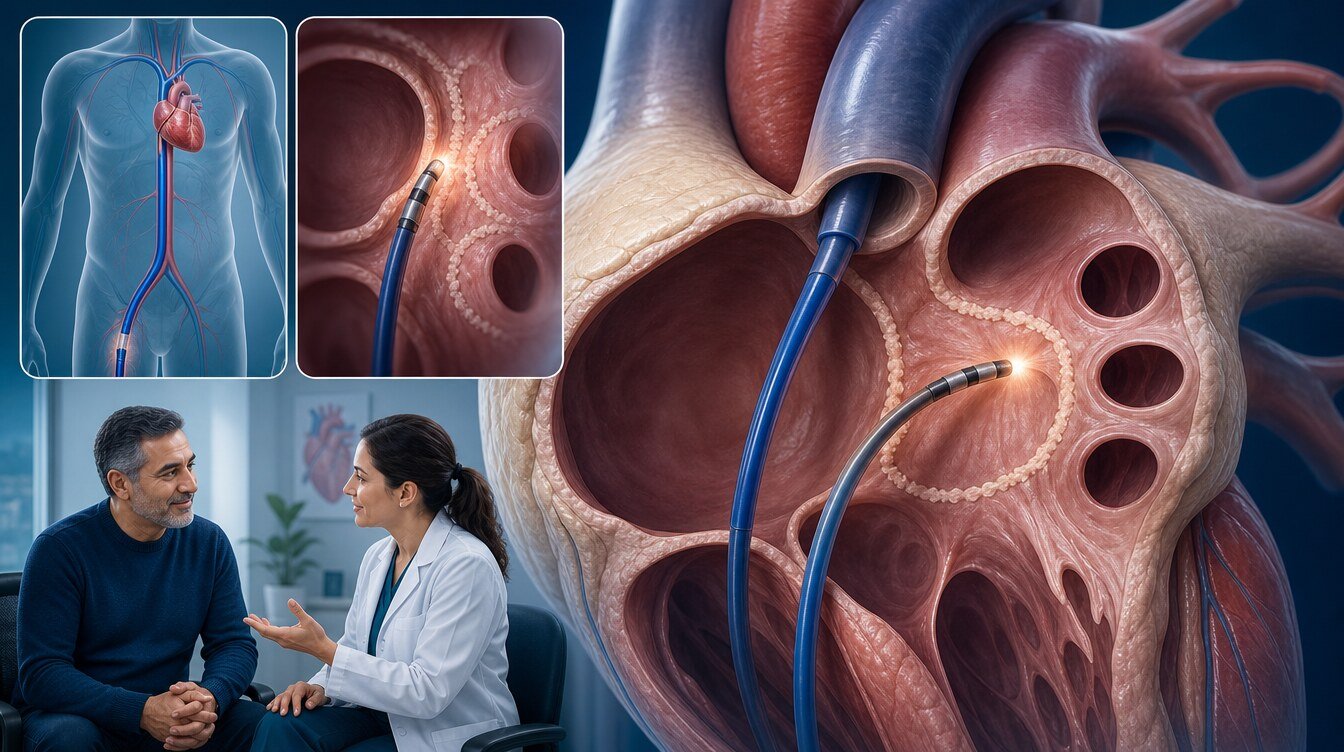
Assessment varies with the planned procedure, but the following headings may come up:
- confirming the rhythm diagnosis with ECG, Holter or other recordings,
- echocardiography,
- additional imaging such as cardiac CT or MRI in selected people,
- blood tests,
- review of antiarrhythmic and other medicines,
- planning of anticoagulant treatment,
- imaging in selected people having AF ablation to check that there is no clot in the left atrium,
- review of accompanying coronary, valve or heart-failure conditions. [1,2,4]
Preparation and medicine arrangements differ from procedure to procedure, so a person should not stop a medicine on their own decision.
When is urgent assessment needed?
If any of the following appears after ablation, prompt contact with the care team or urgent assessment may be needed:
- access-site bleeding that does not stop or is increasing,
- rapidly enlarging groin swelling,
- new marked breathlessness,
- severe or increasing chest pain,
- fainting,
- new speech disturbance, weakness or numbness of the face, arm or leg,
- high fever and a clear decline in general condition,
- symptoms that steadily worsen or are unusual.
This list does not replace personal medical advice; warnings given at discharge for that specific procedure take priority.
Prof. Dr. Hakan Uçar and ablation procedures
On current official physician profiles, ablation procedures are listed among Prof. Dr. Hakan Uçar’s clinical areas of interest. He works in cardiology in Istanbul at Medical Park Florya and Liv Hospital Topkapı. This section states only verifiable professional context; it does not claim procedure volume, success rate or outcome superiority.
A 2026 case report on which Prof. Dr. Hakan Uçar is a co-author described a specific approach that combined Purkinje de-networking with percutaneous renal sympathetic denervation in two patients with congenital long-QT syndrome and recurrent electrical storm. [11] The paper is a case report of two patients; it is not used as guideline-level evidence that defines standard cardiac-ablation indications. Its relevance here is as a verified example of Hakan Uçar’s direct academic work related to rhythm disturbances and ablation.
Frequently asked questions
Cardiac ablation is a catheter-based procedure that targets the electrical focus, conduction pathway or circuit that starts or sustains an arrhythmia.
Catheter ablation is not open-heart surgery. Most procedures use catheters advanced from veins in the groin.
No. The cause and type of the rhythm disturbance must first be documented. Treatment may include observation, medicine, cardioversion, ablation or other approaches.
An electrophysiology study examines the heart’s electrical system and the mechanism of the arrhythmia. Ablation treats the chosen target in the same session if that is appropriate.
Sedation or general anaesthesia may be used, depending on the procedure. The approach is not the same for AF, SVT and ventricular ablation.
There is no fixed duration. Procedure time depends on the arrhythmia, the complexity of mapping, the energy system and the patient’s anatomy.
Radiofrequency ablation uses a controlled heating effect; cryoablation uses cooling or freezing to change electrical conduction in the target tissue.
Pulsed field ablation (PFA) is a predominantly non-thermal technology that uses brief electric-field pulses to create irreversible electroporation. It is used especially for PVI in AF.
Tissue selectivity and the potential to reduce some thermal injury are important; not every risk disappears, and the safety profile can vary with the PFA system. It is not judged “risk-free” or universally superior.
Most AF ablation procedures perform pulmonary vein isolation (PVI). The aim is to isolate electrically the regions where the pulmonary veins enter the left atrium.
Palpitations or atrial arrhythmia can occur in the early period after AF ablation. An early episode is not automatically procedure failure, but marked or continuing symptoms should be assessed.
The 2024 international AF ablation consensus recommends an 8-week blanking period when research outcomes after thermal ablation are interpreted. How early recurrences after PFA should be read remains an evolving area.
After AF ablation, oral anticoagulants are continued for at least 2 months. The later decision is based on the person’s stroke or thromboembolic risk, not on whether the rhythm looks normal.
Yes. The chance of recurrence depends on the arrhythmia type and the person’s characteristics. In AF especially, some people need reassessment or a repeat ablation.
Literature
References
Van Gelder IC, Rienstra M, Bunting KV, et al. 2024 ESC Guidelines for the management of atrial fibrillation developed in collaboration with the European Association for Cardio-Thoracic Surgery (EACTS). Eur Heart J. 2024;45(36):3314–3414. DOI: 10.1093/eurheartj/ehae176. PMID: 39210723.
Tzeis S, Gerstenfeld EP, Kalman JM, et al. 2024 European Heart Rhythm Association/Heart Rhythm Society/Asia Pacific Heart Rhythm Society/Latin American Heart Rhythm Society expert consensus statement on catheter and surgical ablation of atrial fibrillation. Europace. 2024;26(4):euae043. DOI: 10.1093/europace/euae043.
Brugada J, Katritsis DG, Arbelo E, et al. 2019 ESC Guidelines for the management of patients with supraventricular tachycardia. Eur Heart J. 2020;41(5):655–720. DOI: 10.1093/eurheartj/ehz467. PMID: 31504425.
Zeppenfeld K, Tfelt-Hansen J, de Riva M, et al. 2022 ESC Guidelines for the management of patients with ventricular arrhythmias and the prevention of sudden cardiac death. Eur Heart J. 2022;43(40):3997–4126. DOI: 10.1093/eurheartj/ehac262. PMID: 36017572.
Cronin EM, Bogun FM, Maury P, et al. 2019 HRS/EHRA/APHRS/LAHRS expert consensus statement on catheter ablation of ventricular arrhythmias. Heart Rhythm. 2020;17(1):e2–e154. DOI: 10.1016/j.hrthm.2019.03.002.
Kühne M, Badertscher P, Andrade JG, et al. Pulsed field ablation for the interventional treatment of atrial fibrillation: a scientific statement of the European Heart Rhythm Association of the ESC, the Heart Rhythm Society, the Asia Pacific Heart Rhythm Society, the Latin American Heart Rhythm Society, and the Canadian Heart Rhythm Society. Europace. 2026;28(6):euag080. DOI: 10.1093/europace/euag080.
Reddy VY, Gerstenfeld EP, Natale A, et al. Pulsed field or conventional thermal ablation for paroxysmal atrial fibrillation. N Engl J Med. 2023;389(18):1660–1671. DOI: 10.1056/NEJMoa2307291.
Verma A, Haines DE, Boersma LVA, et al. Pulsed field ablation for the treatment of atrial fibrillation: PULSED AF pivotal trial. Circulation. 2023;147(19):1422–1432. DOI: 10.1161/CIRCULATIONAHA.123.063988.
Ekanem E, Neužil P, Reichlin T, et al. Safety of pulsed field ablation in more than 17,000 patients with atrial fibrillation in the MANIFEST-17K study. Nat Med. 2024;30(7):2020–2029. DOI: 10.1038/s41591-024-03114-3.
Marrouche NF, Brachmann J, Andresen D, et al. Catheter ablation for atrial fibrillation with heart failure. N Engl J Med. 2018;378(5):417–427. DOI: 10.1056/NEJMoa1707855.
Aksu T, Ermiş E, Huraibat A, Onac M, Niang M, Vatankulu MA, Uçar H, Huang HD. Percutaneous renal sympathetic denervation combined with empirical Purkinje de-networking for electrical storm in congenital long QT syndrome after cardiac sympathetic denervation: a case report with two consecutive patients. J Interv Card Electrophysiol. 2026. DOI: 10.1007/s10840-026-02324-8.
Kueffer T, Bordignon S, Neven K, et al. Durability of pulmonary vein isolation using pulsed-field ablation. JACC Clin Electrophysiol. 2024;10(4):698–708. DOI: 10.1016/j.jacep.2023.11.026.
This content is for general information only and does not replace personalized medical advice. In emergencies call local emergency services.
Continue