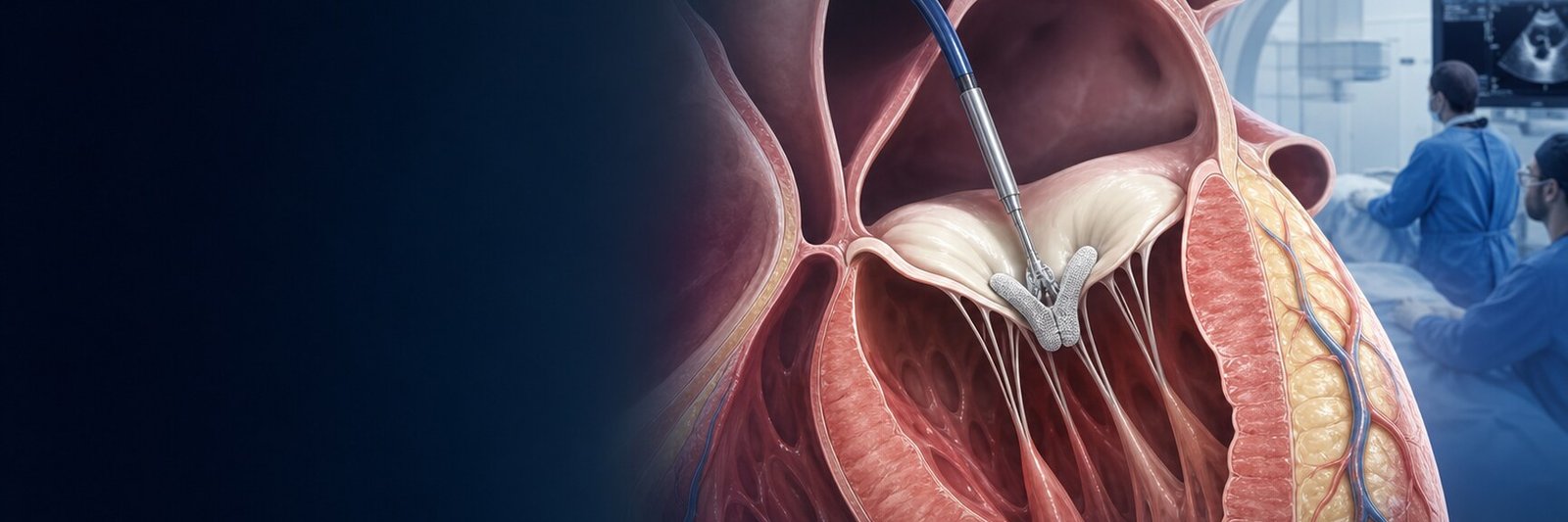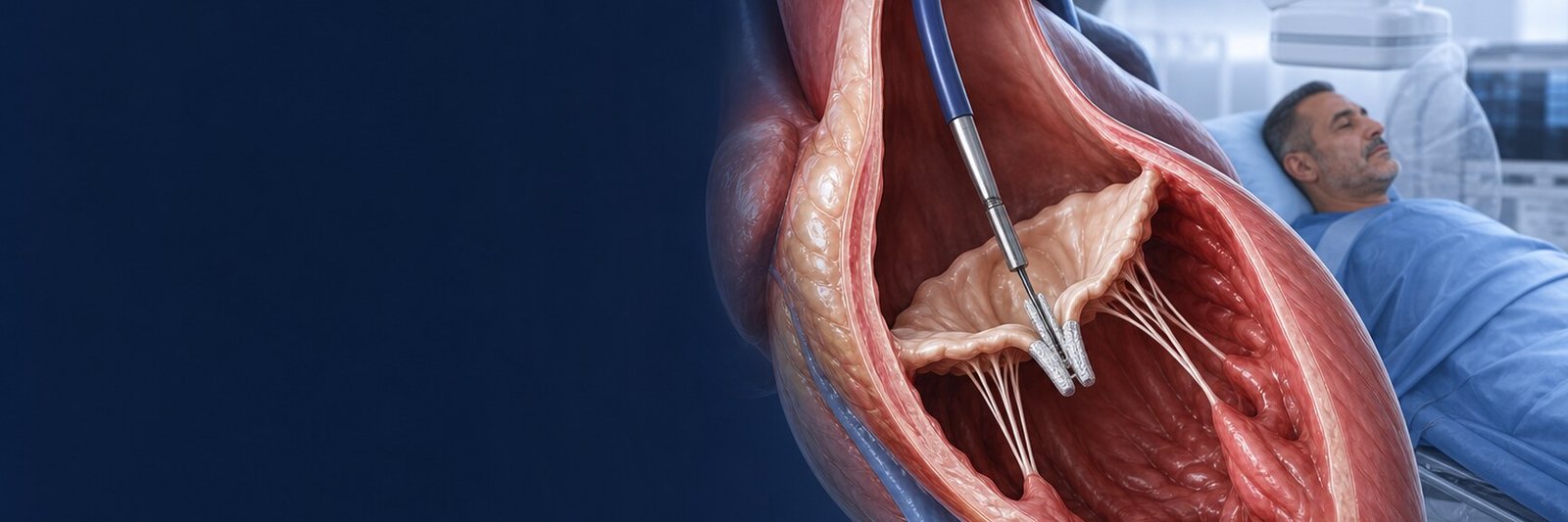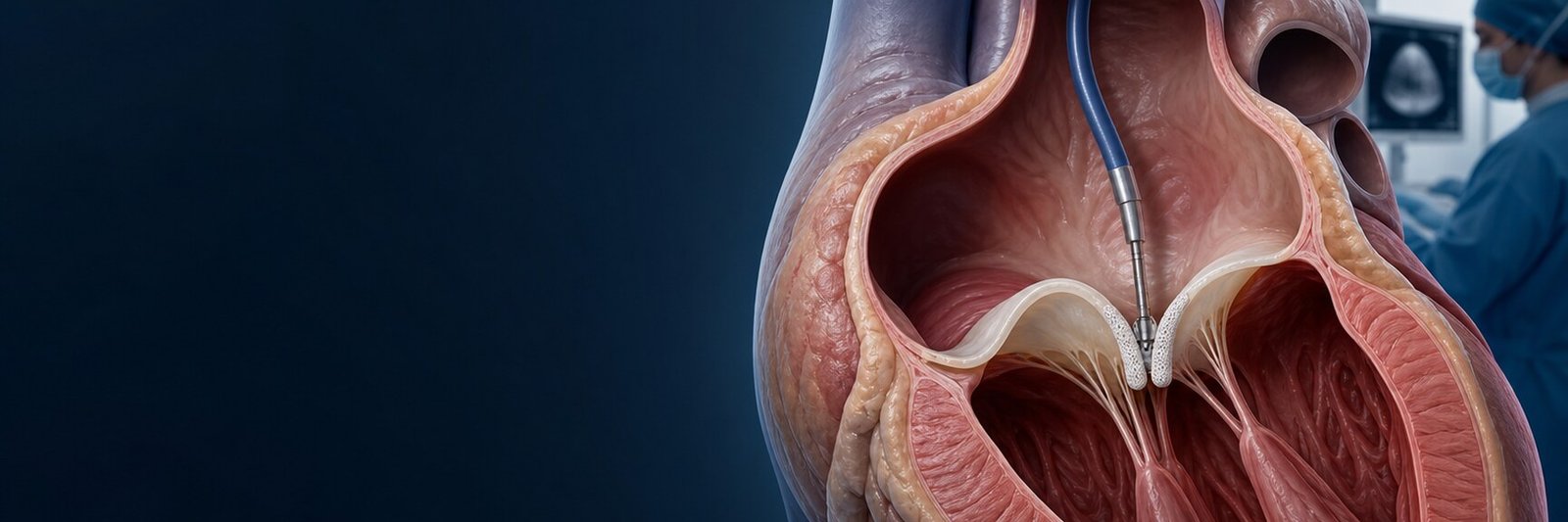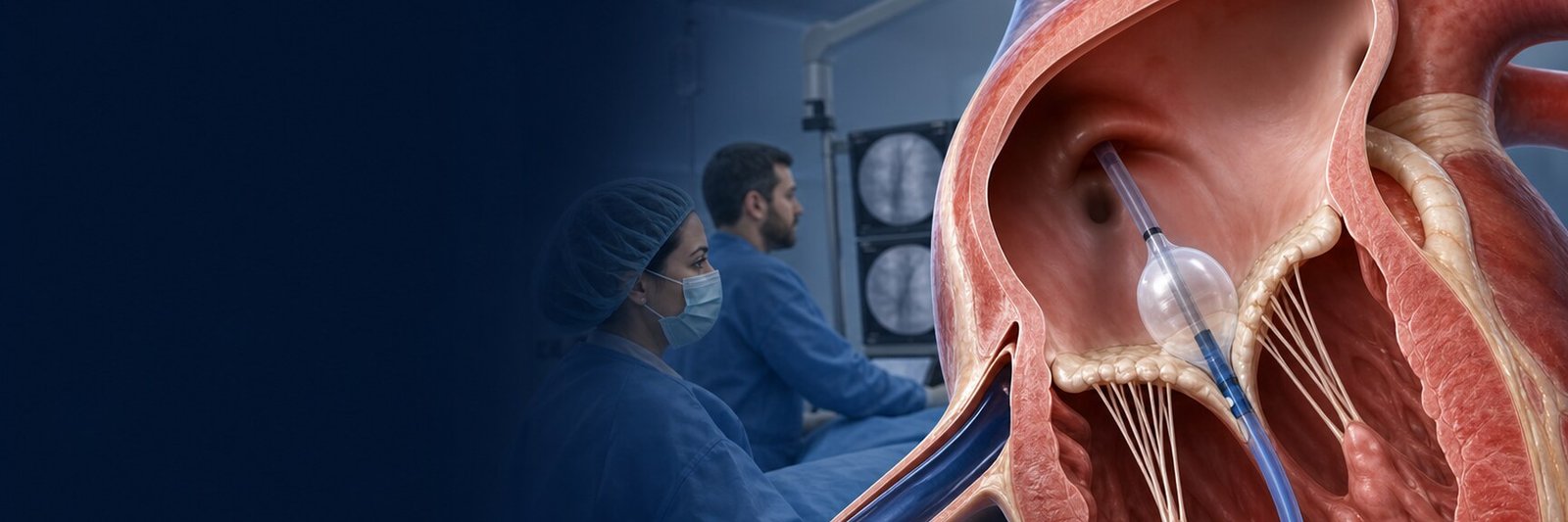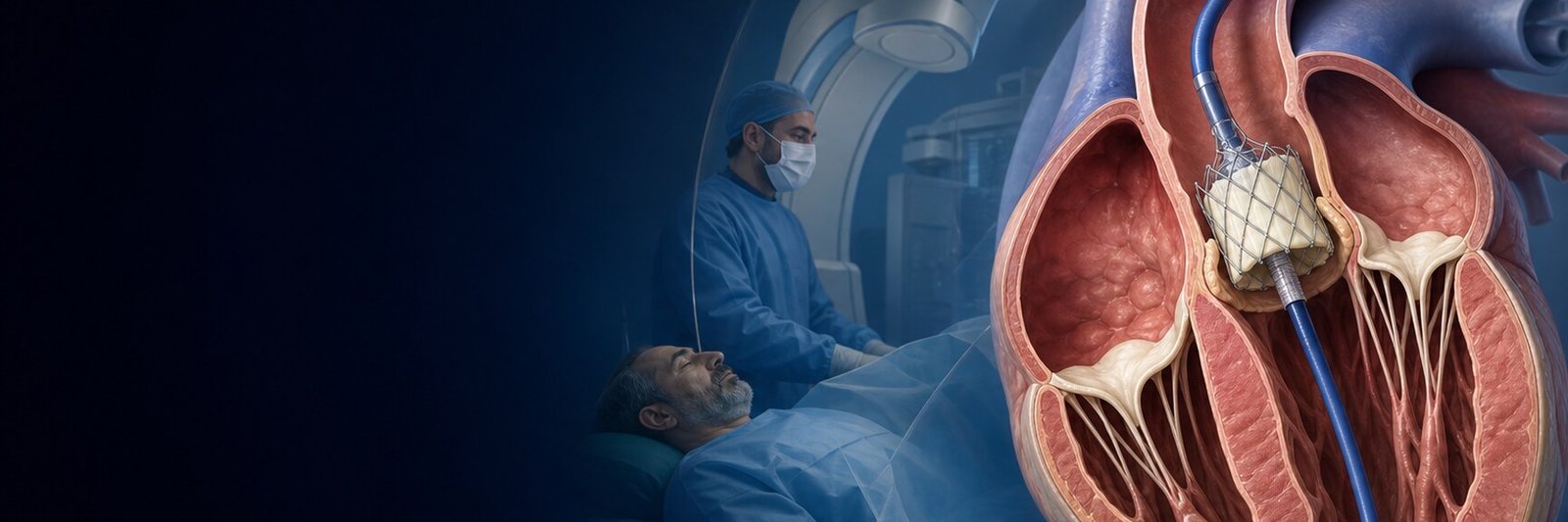
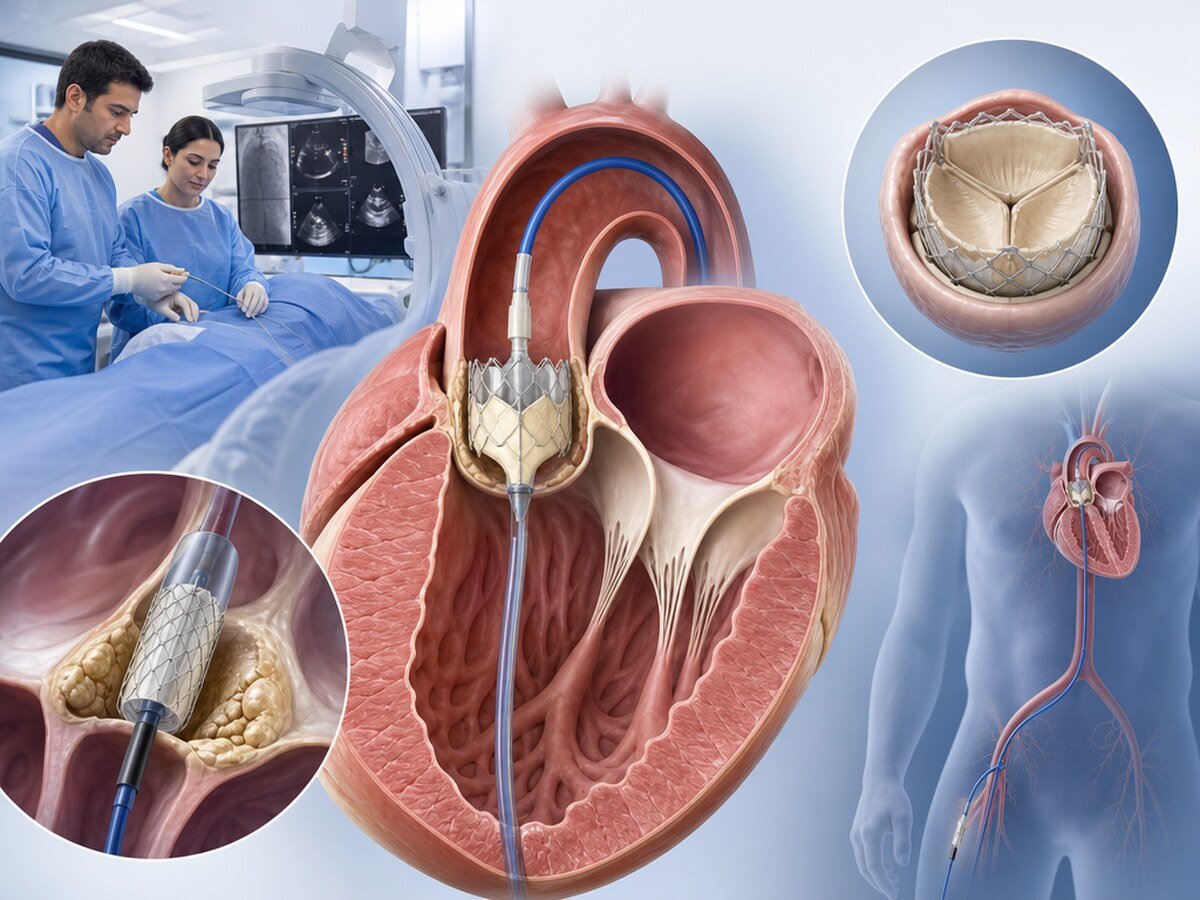
Heart valve interventions include surgical and catheter-based treatments for narrowed or leaking valves. “Catheter treatment” is not one procedure: TAVI, mitral or tricuspid TEER and balloon commissurotomy target different diseases and anatomies.[1,2]
Which valves and procedures are included?
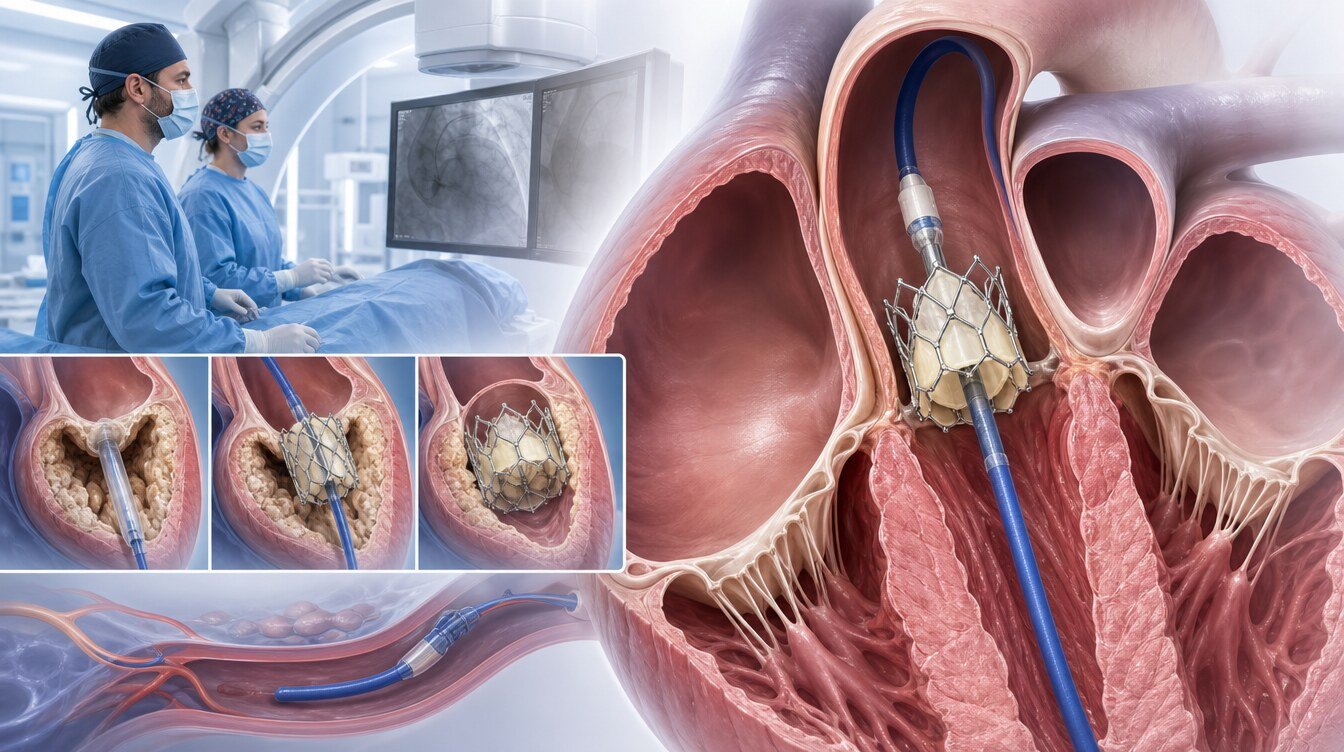
- Aortic valve: TAVI or surgical replacement for severe aortic stenosis.
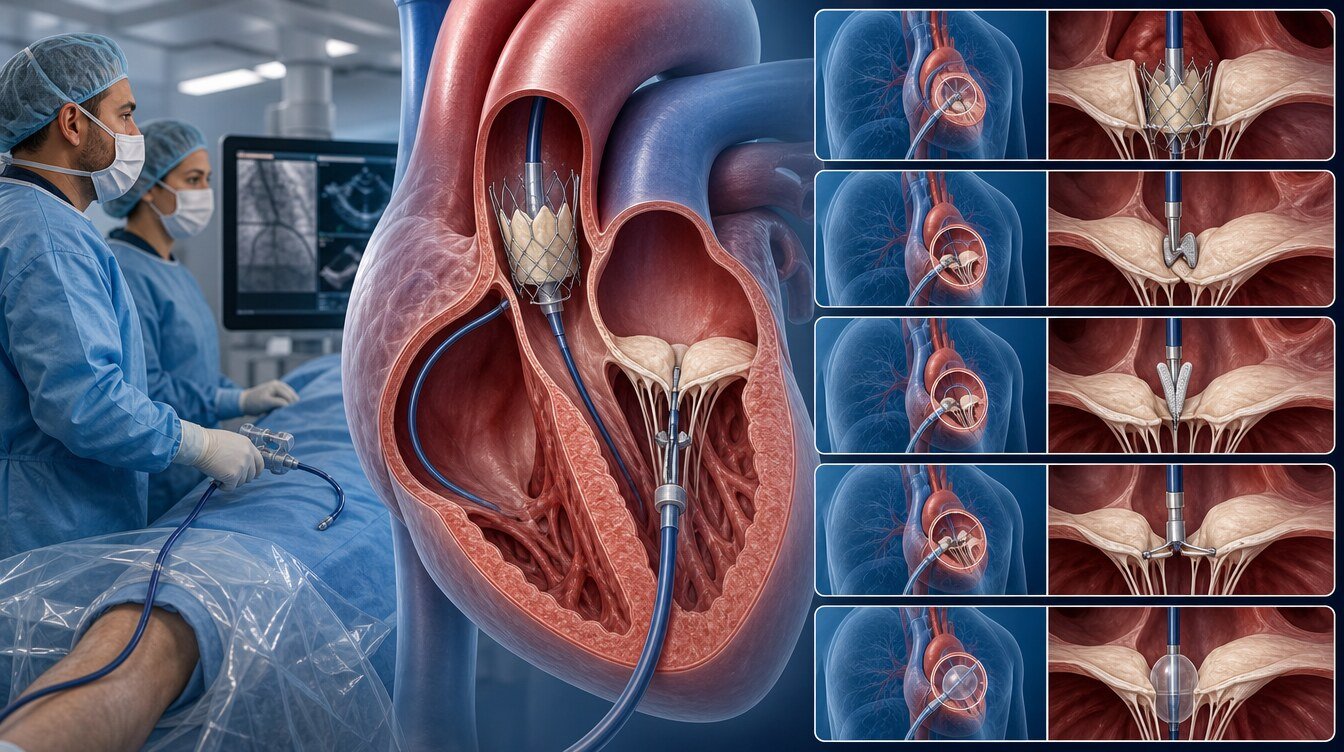
- Mitral valve: Surgery, MitraClip or PASCAL M-TEER for selected regurgitation; balloon commissurotomy for suitable rheumatic stenosis.
- Tricuspid valve: Surgery, TriClip T-TEER or other transcatheter options in selected severe regurgitation.
Why are “stenosis” and “regurgitation” not enough to select treatment?
Four questions are separated: the mechanism of valve dysfunction; whether severity is confirmed by concordant findings; whether intervention is timely before irreversible damage; and which option fits lifetime planning. Two patients with the same valve label may therefore need different strategies.[1,2]
Technical feasibility is not identical to expected clinical benefit. Advanced ventricular dysfunction, pulmonary vascular disease, irreversible organ injury or anatomy likely to leave an unsatisfactory result may limit meaningful recovery.
What symptoms can valve disease cause?
Exertional breathlessness, fatigue, chest discomfort, syncope, palpitations, oedema, abdominal congestion and reduced daily capacity may occur. Symptoms are not valve-specific, and some people unconsciously reduce activity. Rhythm disease, coronary disease, lung disease, anaemia and conditioning are considered alongside the valve findings.
| Procedure | Main target | Principle |
|---|---|---|
| TAVI | Severe aortic stenosis | Bioprosthetic valve inside the diseased native valve |
| MitraClip | Selected mitral regurgitation | Mitral leaflet approximation |
| PASCAL | Selected mitral regurgitation | M-TEER with another device system |
| TriClip | Selected tricuspid regurgitation | Tricuspid leaflet approximation |
| Mitral balloon valvuloplasty | Suitable rheumatic mitral stenosis | Balloon separation of fused commissures |
Why is the Heart Team important?
The decision may involve imaging, interventional cardiology, cardiac surgery, heart failure and anaesthesia. The aim is not only technical feasibility but meaningful clinical benefit.[1,2]
| Decision step | Core question |
|---|---|
| Confirm diagnosis | Which valve, mechanism and severity? |
| Assess cardiac response | How are the ventricles, pulmonary pressure and rhythm affected? |
| Link symptoms | Are symptoms actually caused by the valve disease? |
| Plan anatomy | Can repair, replacement or commissurotomy be performed safely and effectively? |
| Compare alternatives | What is the net balance of surgery, catheter treatment, medical therapy and surveillance? |
| Build a lifetime plan | How will today's treatment affect later valve and coronary options? |
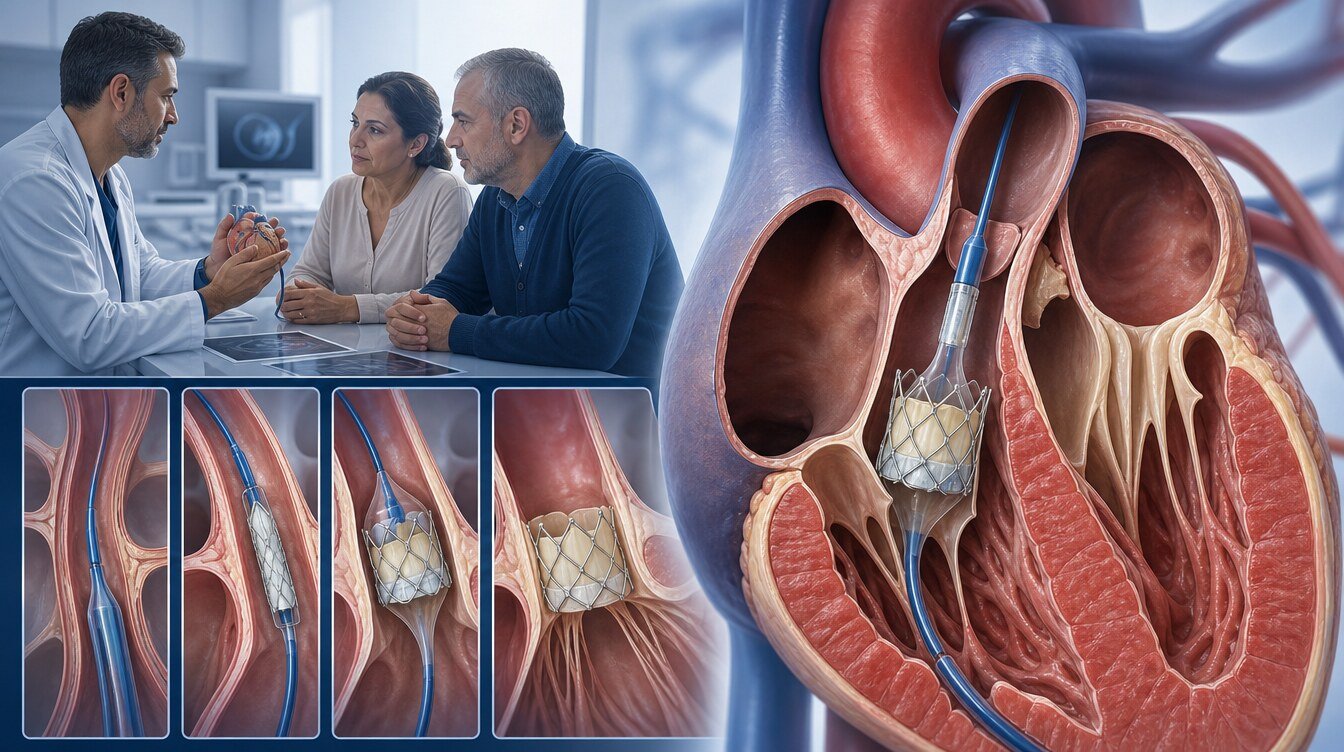
Which tests may be used before intervention?
Depending on the clinical question, assessment may include transthoracic and transoesophageal echocardiography, cardiac CT, coronary imaging, invasive haemodynamics, rhythm assessment, laboratory tests and evaluation of frailty, organ function and patient goals. Imaging is used not only to diagnose disease but also to plan access, device dimensions, leaflet targets and procedural stopping limits.[1,2]
Is catheter treatment always better than surgery?
No. Less invasive does not automatically mean safer, more effective or more durable. Surgery may remain the established option for durable primary mitral repair or when another valve or bypass procedure is needed. Lifetime planning matters.[1,2]
Catheter treatment may avoid sternotomy and permit earlier mobilisation, but may carry procedure-specific trade-offs such as residual regurgitation, pacemaker need, vascular complications, reintervention and effects on future surgery. The comparison should be made for the same patient, not as “small procedure versus major operation.”
Shared risks and follow-up principles
Risks vary by procedure and may include bleeding, vascular injury, stroke, cardiac injury, rhythm disturbance, kidney injury, infection, residual stenosis or regurgitation, device problems, reintervention and death. Trial rates are not personal risk estimates.
Medicines should not be changed from online information. After a procedure, rhythm, access site, kidney function and valve result are monitored; discharge and activity planning are individual.
A valve intervention is not “fit and forget.” Echocardiographic surveillance, rhythm and heart-failure care, dental health and infection prevention, individual antithrombotic planning and early assessment of new symptoms remain part of long-term care.
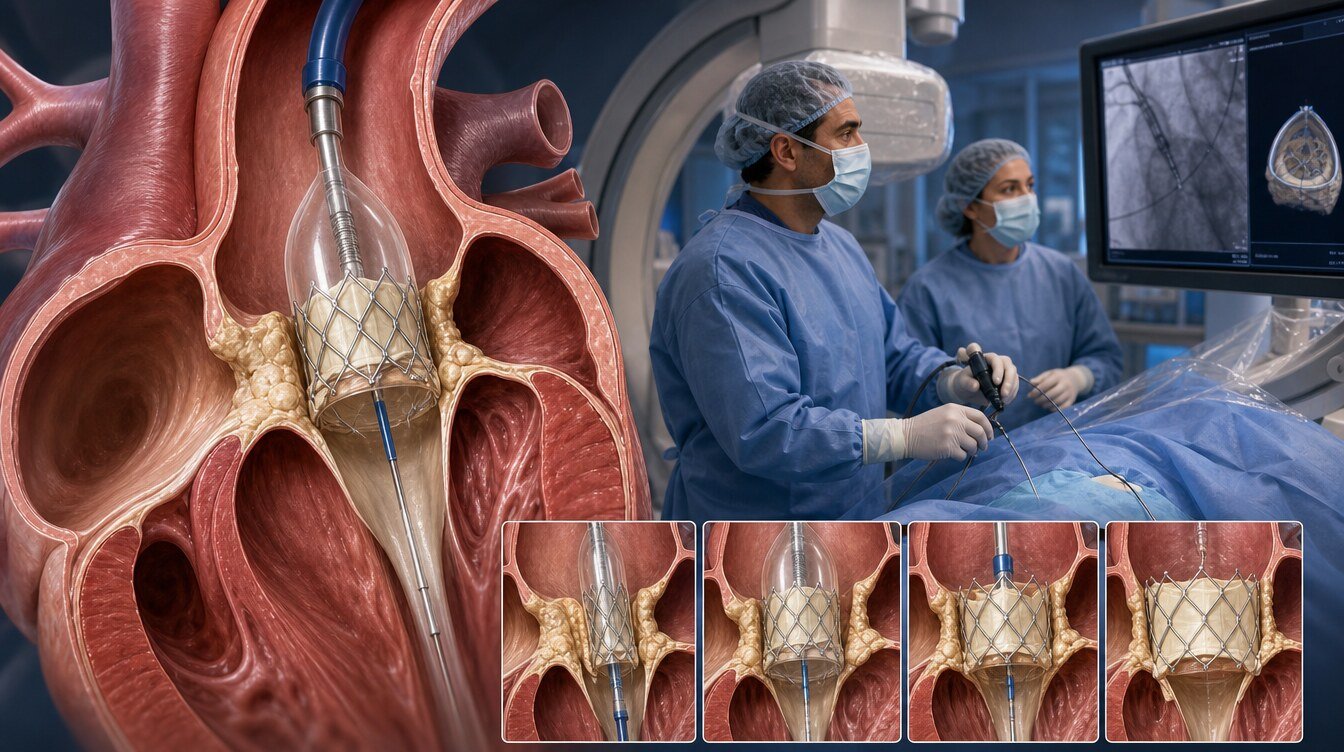
Questions to ask during the Heart Team consultation
- What is the mechanism and confirmed severity of my valve disease?
- What is the expected risk of waiting?
- How do catheter and surgical options compare for me?
- Is the proposed procedure a repair, replacement or commissurotomy?
- How will success be defined beyond device implantation?
- Which medicines and follow-up remain necessary?
- What is the next option if the result is incomplete or deteriorates later?
Frequently asked questions
Some are catheter-based and others are surgical. Catheter procedures are different from open surgery but remain major cardiac interventions.
No. TAVI places a bioprosthesis inside the aortic valve; MitraClip repairs by approximating mitral leaflets.
MitraClip and PASCAL are mitral M-TEER systems; TriClip is a tricuspid T-TEER system. The target valve and planning differ.
Imaging, interventional cardiology, cardiac surgery, heart failure, anaesthesia and other specialists collaborate as needed.
No. Less invasive does not automatically mean safer or more durable; individual comparison is required.
Not automatically. Rhythm, stents, clotting and bleeding risk influence the individual plan.
New neurological symptoms, severe chest pain, fainting, marked breathlessness or uncontrolled bleeding require emergency assessment.
Assessment and decision
Early assessment at an experienced valve centre can help discuss options before irreversible cardiac or organ damage develops.
Literature
References
Praz F, Borger MA, Lanz J, et al. 2025 ESC/EACTS Guidelines. Eur Heart J. 2025. doi:DOI: 10.1093/eurheartj/ehaf194.
Otto CM, et al. 2020 ACC/AHA Valvular Heart Disease Guideline. Circulation. 2021. doi:DOI: 10.1161/CIR.0000000000000923.
This content is for general information only and does not replace personalized medical advice. In emergencies call local emergency services.
Continue